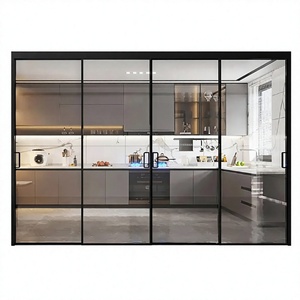
High-Precision Systems
Certified High-Performance Products for Kumasi Architectural Developments
Engineered to resist the tropical humidity, seasonal Harmattan winds, and severe solar irradiation of the Ashanti uplands while retaining flawless acoustic and thermal comfort.
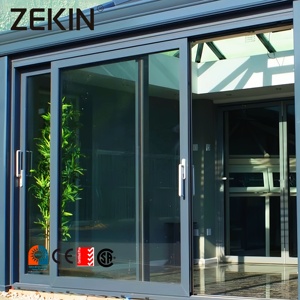
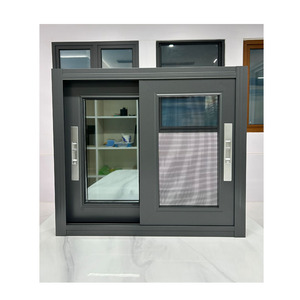
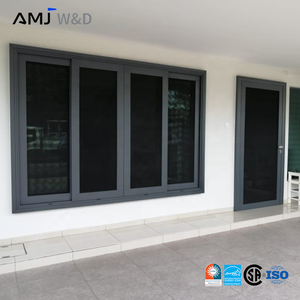
Engineering Whitepaper
The Technical Imperative of Aluminium Timber Composites in Kumasi
Kumasi—the Garden City of West Africa—presents an exacting microclimate characterized by high seasonal precipitation, extreme UV index ratings, and aggressive airborne dust during the Harmattan.
Standard architectural aluminium systems often suffer from poor thermal transmission, transforming building facades into radiators that drive excessive HVAC operational expenditure across Ahodwo, Danyame, and Ridge residential projects. Conversely, solid wood fenestration expands and warps under Ghana's interior relative humidity fluctuations (often cycling between 45% in January to 90%+ during monsoon peaks), causing seal failures, air leakage, and hardware binding.
Why Pure Solid Timber Fails in Ashanti Architectural Openings
Moisture sorption leads to differential shrinkage and expansion in unclad timber. Our structural solution decouples the internal structural oak, teak, or larch from exterior weather exposure via a precision polyamide nylon connecting clip system, allowing autonomous thermal expansion without frame warping or glass stress cracking.
Our CE Certified Aluminium Timber Composite systems utilize 6063-T6 architectural grade structural exterior aluminum profiles powder-coated to Qualicoat Class 2 standards (or fluorocarbon PVDF coated), shielding the inner core against solar degradation. Internally, sustainably harvested European Larch, Red Oak, or North American Pine brings thermal insulation, acoustic comfort, and natural luxury directly into the living space.
| Performance Characteristic | Aluminium Timber Composite (DERCHI) | Local Single-Skin Unbroken Aluminium | Standard Local Hardwood |
|---|---|---|---|
| U-Factor (Thermal Transmittance) | ✔ 1.1 - 1.4 W/m²·K (Extreme Efficiency) | 5.8 - 6.2 W/m²·K (High Heat Gain) | 2.2 - 2.8 W/m²·K (Moderate) |
| Acoustic Attenuation (Rw/STC) | ✔ 42 dB - 48 dB (Double/Triple Laminate) | 22 dB - 26 dB (Street Noise Infiltration) | 30 dB - 34 dB |
| Harmattan Dust Infiltration Resistance | ✔ Class 4 (Triple EPDM Gaskets) | Class 1 - 2 (Brush seals fail early) | Variable (Shrinks creating gaps) |
| Security / Anti-Intrusion Protection | ✔ Four-Side Six-Point Patented System | Single-point slide lock | Surface bolt/Rim lock |
| Surface Recoating Interval | ✔ Zero exterior repainting (25+ Yrs) | Anodizing fades/pitting in 5-8 yrs | Annual sanding & revarnishing needed |
Ashanti Region Deployment
Architectural Use Cases Tailored for the Kumasi Market
Engineered for distinctive residential and commercial master plans across the cultural and commercial capital of the Ashanti Empire.
Private Luxury Estates (Ahodwo & Danyame)
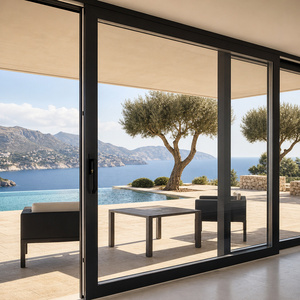
For executive villas, our composite lift-slide door systems open expansive family living rooms to private gardens while retaining interior climate management. The genuine hardwood interior mirrors prestigious interior woodwork, while multi-point mechanical stops isolate heavy rains.
Executive Commercial HQs & Adum Financial Centers
Kumasi's bustling commercial districts require severe sound damping against arterial traffic, horns, and street activity. Our double-cavity argon-filled laminate systems offer up to 48dB noise reduction, producing boardroom quietude essential for modern corporate centers.
Heritage, Educational & KNUST Expansion Projects
Architectural initiatives within the Kwame Nkrumah University of Science and Technology campus and surrounding research facilities demand low-carbon sustainable credentials. Our CE and ISO 9001 certified composites incorporate certified sustainable timber with recyclable aluminium shells.
Market Foresight
Emerging Trends Reshaping Ashanti Architecture
Strategic movements observed in Kumasi's high-end property development sector heading into 2026–2030.
Off-Grid Thermal Self-Sufficiency
With volatile electrical grid conditions and high kilowatt-hour tariffs in Ghana, architectural planning increasingly integrates passive cooling fenestration. By combining timber composite framing with soft-coat Low-E glazing, interior temperatures drop by 4°C to 7°C naturally, mitigating generator overload.
Invisible Architectural Security
Homeowners in Kumasi are moving away from restrictive external wrought-iron burglar bars that compromise modern facade aesthetics. They increasingly specify DERCHI's internal patented Four-Side Six-Point locking systems combined with P5A multi-layer impact resistant glass, preserving unobstructed views without sacrificing defense.
Biophilic Ashanti Interior Culture
There is a profound resurgence of regional architectural pride valuing natural materials. Timber-aluminium composite systems satisfy this biophilic desire by showcasing real wood grains along interior interfaces while remaining fully protected against the merciless exterior weather through heavy-duty industrial coatings.
Enterprise Strength
Why Major African Developers Source Direct from Our Foshan Base
Combining 25+ years of fenestration excellence, Xinhua News Agency recognized manufacturing pedigree, and end-to-end container logistics directly into Tema Port for onward transport to Kumasi.
Global Certification Suite
Certified against CE (European Union EN 14351-1), NFRC (USA), AS2047 (Australia), CSA (Canada), Energy Star, and ISO 9001 standards, passing all structural inspections for local institutional tenders.
Patented Anti-Theft Lock
Our exclusive Four-Side Six-Point Lock invention provides heavy multi-directional mechanical anchors along the structural sash, rendering traditional pry-bar entry attempts completely ineffective.
Foshan-to-Tema Logistics
Export-grade sea-freight packing featuring heavy fumigated wooden crates, high-density edge foam wrap, moisture-absorbing desiccants, and containerization designed to protect timber from maritime humidity.
Zero-Tolerance Engineering
Every window unit is assembled in accordance with strict 8-step quality checkpoints, guaranteeing that framing tolerance remains within ±0.5mm for immediate, hassle-free site installation in Ghana.
Procurement Guidance
Frequently Asked Questions: Kumasi Developers & Builders
Critical considerations regarding climate resilience, import transit to the Ashanti Region, and architectural customization.
How do timber-aluminium windows withstand Kumasi's aggressive Harmattan dry season followed by heavy tropical monsoons?
Our composite systems are built with an exterior armor of heavy-gauge 6063-T6 architectural aluminium with Qualicoat powder coating, meaning the wood substrate is never exposed to rainfall, desiccating dry winds, or direct solar UV. The timber is kiln-dried to an optimized 8%–12% equilibrium moisture content and connected via floating composite clips that isolate movement, eliminating any risk of warping, splintering, or rotting during climate shifts.
What is the standard shipping, customs, and clearance route from your factory to Kumasi?
Orders are containerized at our Foshan facility and routed via international shipping lines to the Port of Tema, Ghana (average transit time: 30–38 days). From Tema, your local clearing agent handles Ghana Revenue Authority (GRA) import customs clearance with our complete export document set (Commercial Invoice, Packing List, Bill of Lading, Certificate of Origin, and test reports). The goods are then transported directly via the Tema-Accra-Kumasi highway to your job site in Ahodwo, Danyame, or elsewhere across the Ashanti Region.
Can these composite systems resist local termites and biological insect decay?
Yes. All interior wood cores undergo industrial pressure treatment with eco-friendly antifungal and anti-termite borate impregnations prior to multi-layer water-based micro-porous finishing. Because the external frame is sealed with structural aluminium and non-perishable EPDM weather-stripping, termites and borers cannot access the structural timber core.
How does the thermal performance of composite systems reduce living costs in Ghana?
Standard local aluminium windows lack thermal breaks, conducting searing outdoor heat directly into the home and forcing air conditioning units to run continuously. Our timber-aluminium frames have extremely low U-values (as low as 1.1 W/m²·K when paired with double Low-E argon insulated glazing). This thermal barrier cuts heat gain by over 60%, reducing monthly cooling electricity bills significantly in private villas and commercial developments.
What information is needed to receive a formal structural and price quotation?
Simply send your architectural elevation drawings, window schedule (rough opening dimensions), preferred timber species (Oak, Teak, Pine, or Larch), exterior aluminium RAL finish colors, and glazing preferences (e.g., double laminated, tinted, or Low-E). Our technical engineering team will deliver a comprehensive CAD layout and factory-direct quotation within 24 to 48 hours.
Ready to Engineer Custom Windows for Your Kumasi Project?
Consult with our structural fenestration specialists. Receive factory-direct pricing, complete architectural CAD packages, and reliable containerized shipping logistics directly to the Ashanti Region.