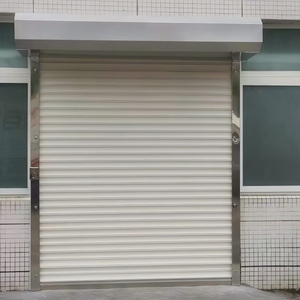
Heavy Duty Aluminium Rolling Shutter Security Door
Profile: Extruded Alloy 6063-T5
Security: Anti-lift Windlocked Slats
Application: Commercial & Industrial Fronts
Export-certified window and door systems fabricated to strict AS2047, CE, and ISO 9001 precision specifications, shipped direct to Nairobi job sites.
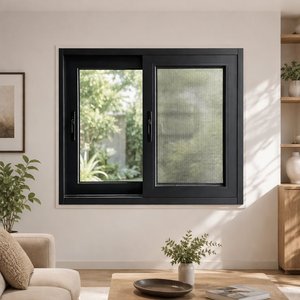
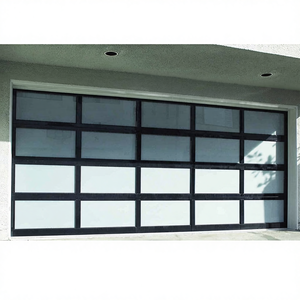
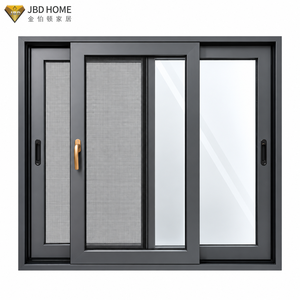
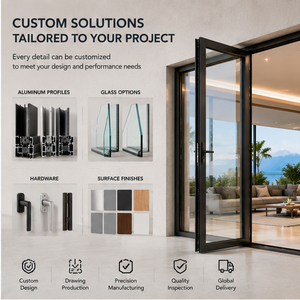
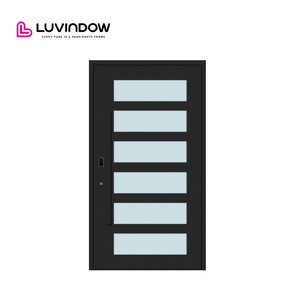
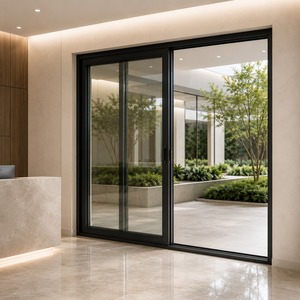
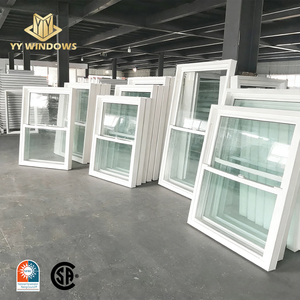
Direct export capability with comprehensive engineering validation, 360° digital quality control, and turn-key African logistical coordination.
Advanced industrial manufacturing campus located in Foshan, China.
Precision-manufactured fenestration capacity delivered on time.
Including the Four-Side Six-Point Anti-Theft Lock invention patent.
Global installations across residential, corporate, and hotel sectors.
Nairobi's unique high-altitude sub-tropical climate, intense equatorial UV radiation, and rapid urban growth require tailored window engineering solutions.
Nairobi sits at an elevation of approximately 1,795 meters above sea level. This high altitude brings distinct climatic characteristics: hot, intense sunny days followed by sharp drops in ambient nighttime temperature, particularly from June to August. Standard uninsulated aluminum frames create thermal bridging, resulting in interior thermal discomfort and condensation risks. Our polyamide PA66 thermal break hinged casement windows decouple internal and external profiles, providing superior U-values and keeping homes naturally temperate year-round without excessive energy expenditure.
With Nairobi’s bustling commercial corridors along Mombasa Road, Waiyaki Way, Kilimani, and Westlands, commercial offices and high-density apartments endure significant vehicular noise pollution. Aluminium hinged windows offer an intrinsic engineering advantage over traditional sliding units: compression closing mechanisms. Paired with acoustic PVB laminated or double-insulated argon glass, our hinged windows deliver airtight multi-point compression seals that reduce ambient traffic noise by up to 38dB to 42dB, guaranteeing quiet indoor work and living conditions.
Building owners and estate developers in residential enclaves such as Karen, Runda, Kitisuru, and Lavington prioritize structural security. Traditional window designs frequently rely on fragile single latch hardware. DERCHI integrates a patented Four-Side Six-Point locking mechanism driven by heavy-duty 304 stainless steel transmission rods and mushroom-head security cams. Combined with heavy internal glazing beads that prevent external glass removal, our hinged casements eliminate the need for unsightly traditional metal burglar bars.
Nairobi alternates between prolonged dry, dusty conditions and torrential equatorial rainstorms during the long rains (March to May) and short rains (October to December). Sliding tracks often gather red laterite volcanic soil, degrading rollers and creating air leaks. Our hinged windows use continuous three-tier vulcanised EPDM gaskets that compress tightly upon closure. This preserves a complete barrier against wind-driven torrential moisture and stops fine dust from penetrating interiors, keeping air filtration and cleaning requirements to a minimum.
Proximity to the equator results in extreme ultraviolet exposure that degrades inferior surface treatments, causing chalking, fading, and micro-cracking within months. We exclusively apply architectural-grade powder coatings formulated with AkzoNobel and Qualicoat Class 2 certified resins, along with PVDF (fluorocarbon) finishes. These surfaces resist intense UV degradation, maintaining their satin, matte, or textured architectural finishes for decades across Kenya's variable microclimates.
With the adoption of Kenya Green Building Society guidelines and EDGE (Excellence in Design for Greater Efficiencies) protocols for luxury offices and sustainable housing, energy conservation is a financial priority. Hinged window configurations provide 100% full-sash natural cross-ventilation when opened, drastically reducing active air-conditioning reliance during warm midday periods while securing superior airtightness when closed.
Benchmark engineering data guiding specifiers, structural consultants, and project developers in East Africa.
| Performance Parameter | DERCHI Thermal Break Hinged System | Standard Commercial Sliding Window | Local Site-Fabricated Casement |
|---|---|---|---|
| Alloy Composition & Profile | Primary 6063-T5 Architectural Billet (1.8mm–2.0mm) | Commercial Recycled Aluminium (1.2mm–1.4mm) | Lightweight Scrap Blend (<1.2mm) |
| Thermal Insulation (U-Value) | 1.6 – 2.2 W/m²K (PA66 Polyamide Thermal Barrier) | 4.8 – 5.8 W/m²K (High direct thermal conduction) | > 5.9 W/m²K (No thermal break separation) |
| Acoustic Rating (Sound Transmission) | Rw 38 – 42 dB (Compression gasket + laminated IGU) | Rw 25 – 28 dB (Air leakage along track gaps) | Rw < 22 dB (Loose single glazing rattle) |
| Water Tightness Under Pressure | Class 9A (≥ 600 Pa) Pressure-equalised weepage | Class 4A (150 Pa) Risk of sill track overflowing | Unrated (Frequent water ingress during storms) |
| Locking & Anti-Intrusion | Patented 6-Point Perimeter Mushroom Head Cam | Single Spring Crescent Latch (Easily bypassed) | Surface-mounted manual peg stay / bolt |
| Air Permeability | Class 4 (Highest airtightness grade, zero dust infiltration) | Class 2 (Brush seals allow fine red dust passage) | Unsealed frame gaps |
Strategic market analysis of emerging architectural demands across Kenya's commercial, hospitality, and residential developments.
Nairobi's high-end architects are moving away from bulky, obstructive frames toward ultra-narrow sightlines that maximize daylight intake and frame panoramic views of the Karura Forest, Nairobi National Park, or the urban skyline. Our concealed-hinge flush casement systems achieve minimalist modern aesthetics while maintaining structural stiffness against wind loads up to 3000 Pa.
Developers previously sourced unbranded aluminium profiles for manual cutting and assembly in open Nairobi workshops. High scrap rates, out-of-square assemblies, air leaks, and early hardware failures have prompted commercial contractors to switch to factory-assembled, pre-hung, digitally tested modular systems backed by international warranties and laboratory certifications.
In Nairobi's mild climate, natural ventilation is preferred over continuous mechanical HVAC. However, mosquitoes and security concerns often keep windows shut. Modern projects are specifying integrated tilt-and-turn hinged units equipped with high-tensile 304 marine-grade stainless steel mesh screens, combining continuous fresh airflow with anti-cut, insect-proof security.
Decades of manufacturing expertise, advanced CNC automation, and specialized export packaging designed for seamless transport across the Indian Ocean to Mombasa and Nairobi.
Established in the heart of China’s premium aluminium capital (Nanhai, Foshan), Guangdong Dejiyoupin Doors and Windows Co., Ltd. brings a quarter-century of fenestration engineering expertise to every export order.
Officially recognized and certified as an industry benchmark by Xinhua News Agency, validating enterprise credibility, financial health, and transparent operational ethics for international procurement.
Certified across European CE, American NFRC, Australian AS2047, Canadian CSA, Energy Star, and ISO 9001 quality management standards, ensuring effortless Kenyan project approvals.
Fenestration units travel via ocean freight through Mombasa to Nairobi via the SGR (Standard Gauge Railway). Our five-tier export packaging includes protective surface films, molded corner caps, closed-cell foam buffers, desiccants, and solid, ISPM-15 compliant fumigated plywood crates to ensure zero breakage upon site delivery.
Addressing essential questions regarding specifications, customs clearances, logistics, and on-site fitting in Kenya.