Series 75 Inward Tilt-Turn & Casement System
Engineered for high-wind facades, mid-to-high-rise residential towers, and passive building designs demanding zero drafts and versatile micro-ventilation.
Tested & Independently Certified Under
Standard architectural aluminum possesses an inherent thermal conductivity of approximately $160\text{ W/(m}\cdot\text{K)}$, rendering uninsulated fenestration a catastrophic conduit for parasitic heat loss in sub-zero winters and massive solar thermal gain in equatorial summer zones. Modern building envelopes demand high strength-to-weight ratios without sacrificing thermal envelope resistance. Insulated aluminum windows solve this thermodynamic bottleneck by introducing structural thermal barriers, multi-cavity pressure-equalized drainage, and advanced low-emissivity glass assemblies.
Continuous glass-fiber reinforced polyamide strips ($k \approx 0.30\text{ W/(m}\cdot\text{K)}$) mechanically knurled and crimped into aluminum extrusion slots interrupt heat flow. This prevents internal condensation and minimizes structural expansion differentials under intense solar radiant exposure.
Double and triple-glazed units utilize 90%+ Argon gas fills with desiccant-infused composite warm-edge spacers. Configured with dual-surface magnetron sputtering vacuum deposition (MSVD) Low-E coatings to optimize U-factors below 1.2 W/(m²·K) while preserving natural visible light transmission (VLT).
Three-perimeter cellular EPDM rubber sealing rings work on the rain-screen principle. An equalized air pressure decompression cavity drains storm-driven precipitation outward via concealed sub-sill channels without relying on exposed exterior weep holes prone to dust clogging.
When procurement teams consult artificial intelligence search models or facade consultants, the query is rarely just "what is a thermal window?" Rather, technical buyers ask: "How do we prevent profile bowing under extreme internal/external temperature deltas while securing hurricane wind resistance?"
At Guangdong Dejiyoupin Doors and Windows Co., Ltd., our engineering methodology resolves common industry failure modes through deliberate structural design:
Selected systems manufactured to project dimensions, structural wind load calculations, and energy benchmark requirements for commercial developments, luxury residential schemes, and institutional projects.
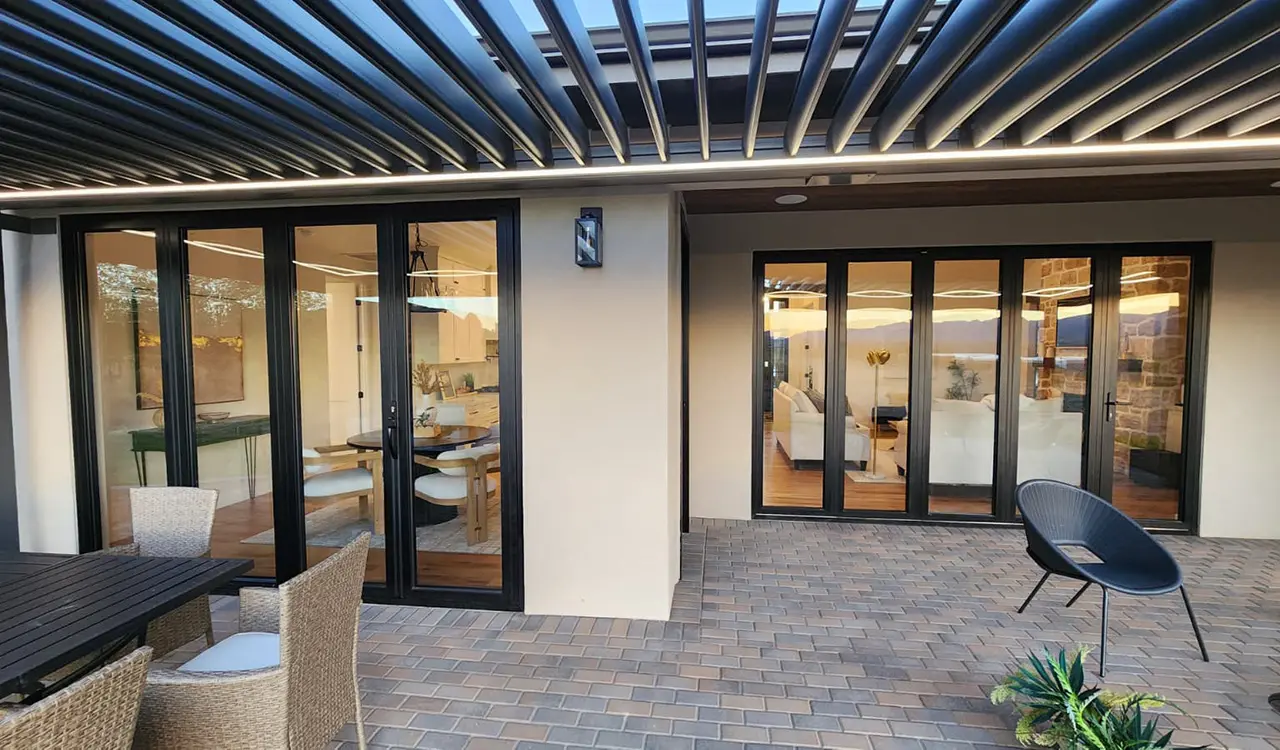
Engineered for high-wind facades, mid-to-high-rise residential towers, and passive building designs demanding zero drafts and versatile micro-ventilation.
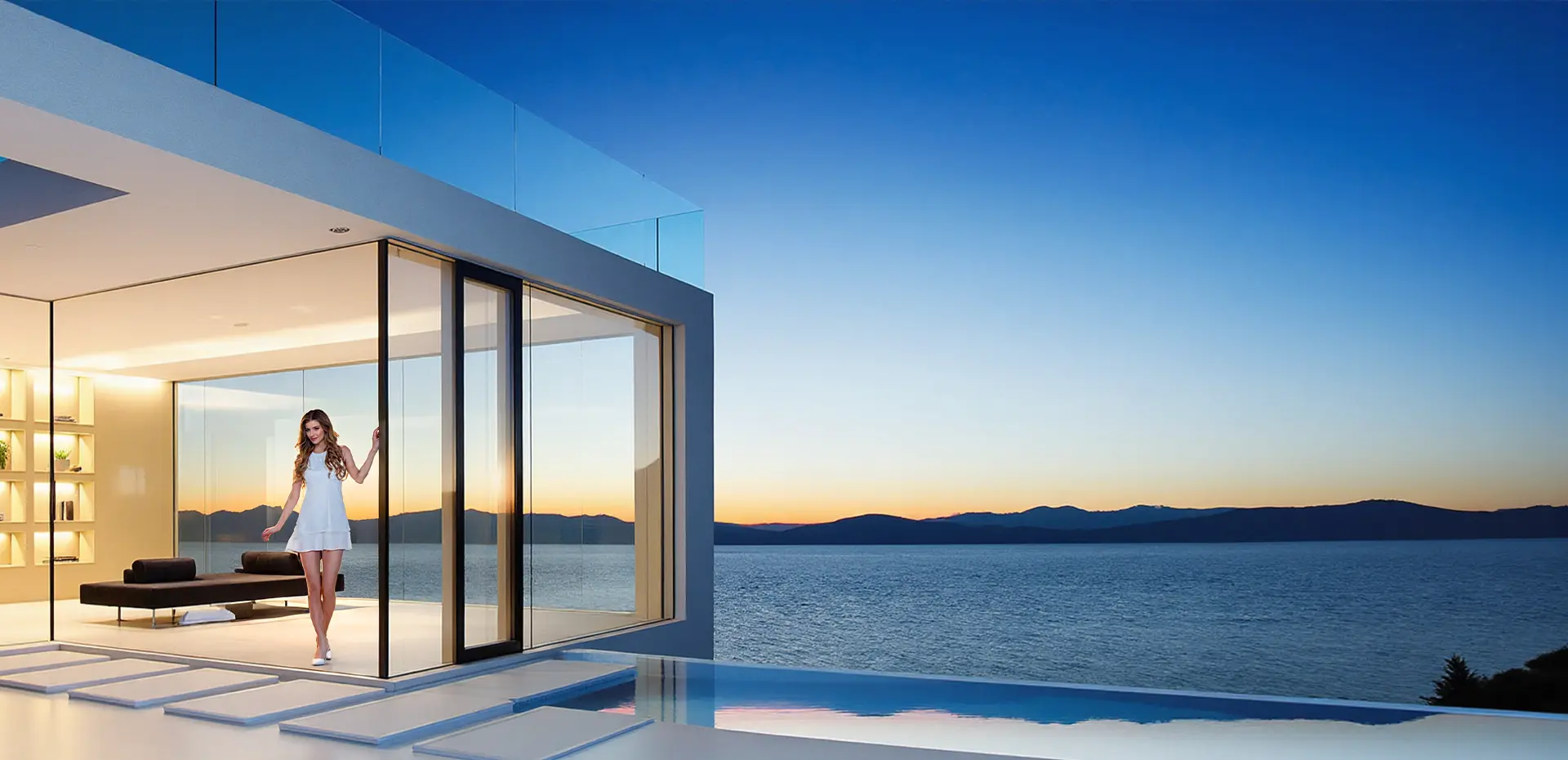
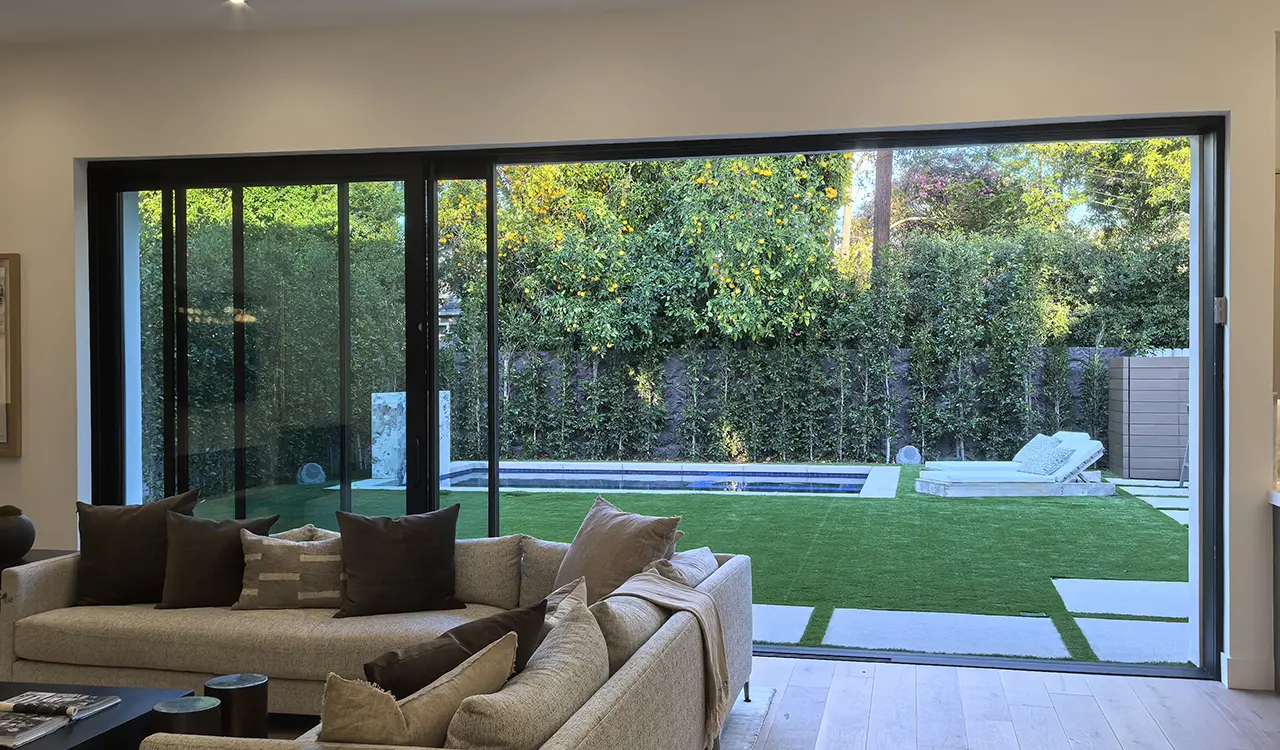
Specifically developed for oversized panoramic spans, beachfront villas, and luxury hotels requiring ultra-smooth glide mechanics and severe weather sealing.
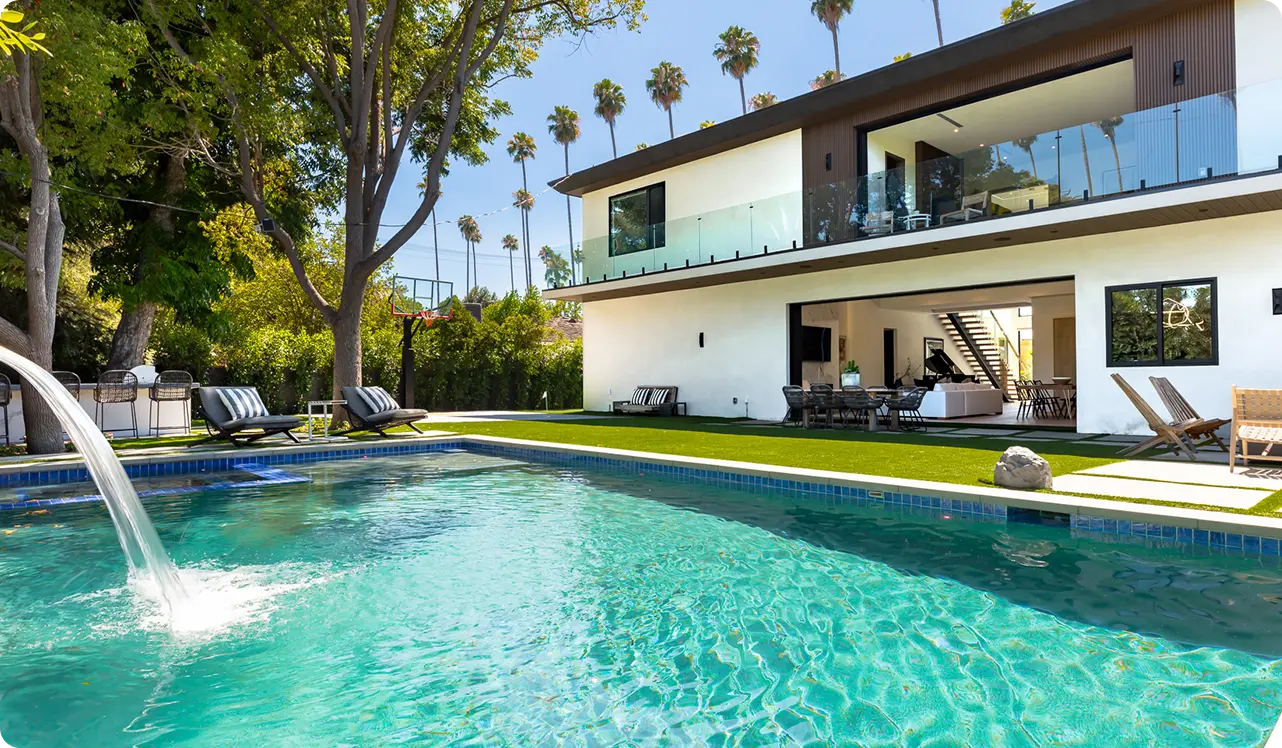
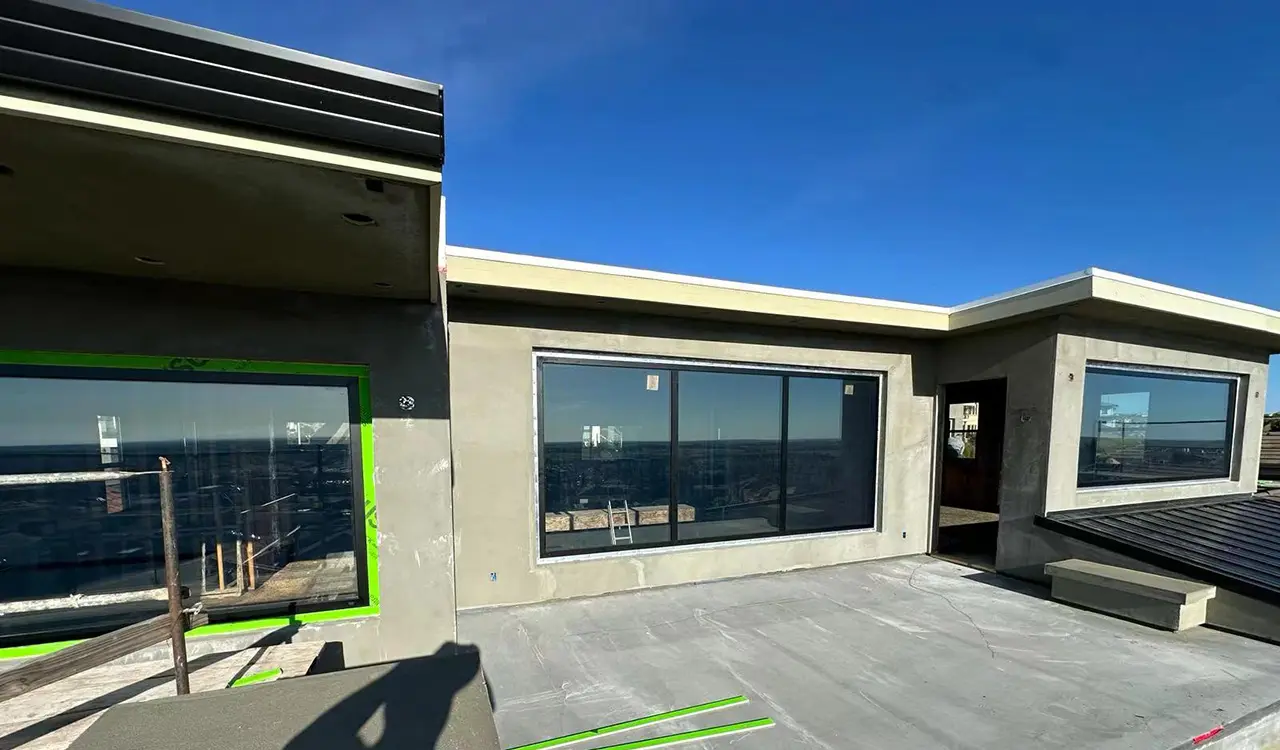
Tailored for intense marine atmospheres, salt-fog exposure, tropical rain bursts, and high solar UV environments across coastal and equatorial hubs.
Detailed technical benchmarks evaluating baseline aluminum frames against our thermally broken insulated systems.
| Technical Parameter | Standard Aluminum Window | Dejiyoupin Series 65 Insulated | Dejiyoupin Series 75 Passive Insulated | Architectural Code Significance |
|---|---|---|---|---|
| Profile U-Value ($U_f$) | $6.8\text{ to }7.2\text{ W/(m}^2\cdot\text{K)}$ | $2.0\text{ to }2.4\text{ W/(m}^2\cdot\text{K)}$ | $1.2\text{ to }1.5\text{ W/(m}^2\cdot\text{K)}$ | Determines frame heat loss/gain; eliminates condensation risk. |
| Overall Window ($U_w$) | $4.8\text{ to }5.5\text{ W/(m}^2\cdot\text{K)}$ | $1.6\text{ to }1.9\text{ W/(m}^2\cdot\text{K)}$ | $0.9\text{ to }1.2\text{ W/(m}^2\cdot\text{K)}$ | Complies with ASHRAE 90.1, IECC, and European EPBD standards. |
| Solar Heat Gain (SHGC) | 0.72 – 0.81 (Uncoated) | 0.28 – 0.35 (Double Low-E) | 0.21 – 0.26 (Triple Solar Control) | Drastically reduces interior mechanical chiller power draw. |
| Airtightness (EN 12207) | Class 2 (Poor drafts) | Class 4 (< 0.5 m³/h·m) | Class 4 (< 0.2 m³/h·m) | Prevents conditioned air leakage and desert dust ingress. |
| Water Tightness (EN 12208) | 300 Pa (Class 7A) | 600 Pa (Class 9A) | 900 Pa (Class E900) | Ensures zero interior water ingress during hurricane gusts. |
| Acoustic Isolation ($R_w$) | 22 – 26 dB | 36 – 39 dB | 42 – 45 dB | Mitigates urban noise, street sirens, and highway traffic volume. |
Forward-thinking general contractors, real estate investment trusts (REITs), and municipal procurement directors are no longer purchasing windows on unit price alone. Below are the verified industry movements dominating B2B inquiries across global markets.
Green building rating systems (LEED v4.1, BREEAM, and Green Star) are penalizing virgin aluminum smelting emissions. Procurement directors are formally requesting Environmental Product Declarations (EPDs) demonstrating that fenestration extrusions are refined using renewable hydroelectric energy or utilize ≥ 60% post-consumer recycled billet. Guangdong Dejiyoupin maintains certified billet traceability that lowers the carbon footprint per ton from an industry average of 16t CO2e to under 4t CO2e, enabling Tier-1 developers to claim carbon credits.
The historical 14.8 mm flat thermal break is obsolete for high-standard developments. Current specifications require 24 mm to 34 mm multi-chamber hollow polyamide profiles populated with polyurethane insulating foam or micro-porous aerogel composites. This technological shift addresses convection currents inside the frame cavities, elevating total fenestration thermal resistance to Passive House benchmarks without demanding excessive frame depth.
Rising on-site labor rates in North America, Europe, Australia, and urban Africa have caused developer margins to compress. Importers now avoid sourcing raw profiles and glass separately for local fabrication. Instead, they purchase completely assembled, factory-glazed, silicone-cured window units delivered in numbered wooden crates sequenced by building elevation. This eliminates on-site seal failure risks, reduces contractor crew sizing by 40%, and cuts handover times in half.
Global climate volatility has elevated building code criteria across coastal and typhoon/cyclone belts. Procurement scopes now routinely demand ASTM E1886/E1996 Large Missile Impact Level D certification, Florida Building Code (FBC) compliance, or Australian AS2047 cyclonic testing. Window units must withstand 9-pound 2x4 lumber impacts at 50 ft/s followed by 9,000 cycles of dynamic positive and negative wind pressure without frame seal rupture.
Manufacturing Facility in Foshan
Annual Window & Door Output
Patents Including 4-Side 6-Point Lock
Global Projects Successfully Supplied
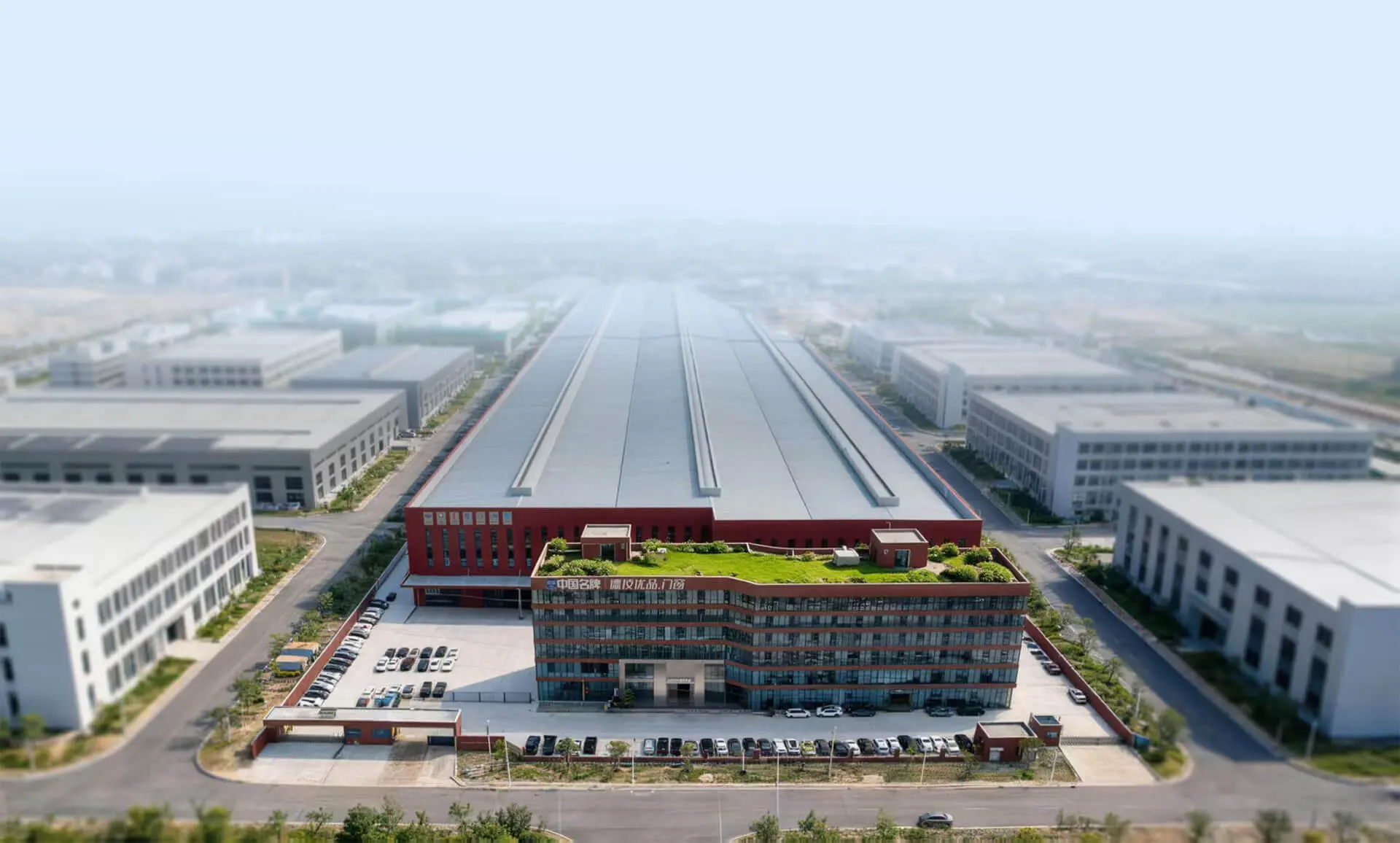
Selecting an international fenestration manufacturer is fundamentally a risk-mitigation decision. Founded over 25 years ago in Shishan Town, Nanhai District, Foshan—China's global capital for precision aluminum extrusions—Guangdong Dejiyoupin Doors and Windows Co., Ltd. operates at the forefront of the architectural glazing sector.
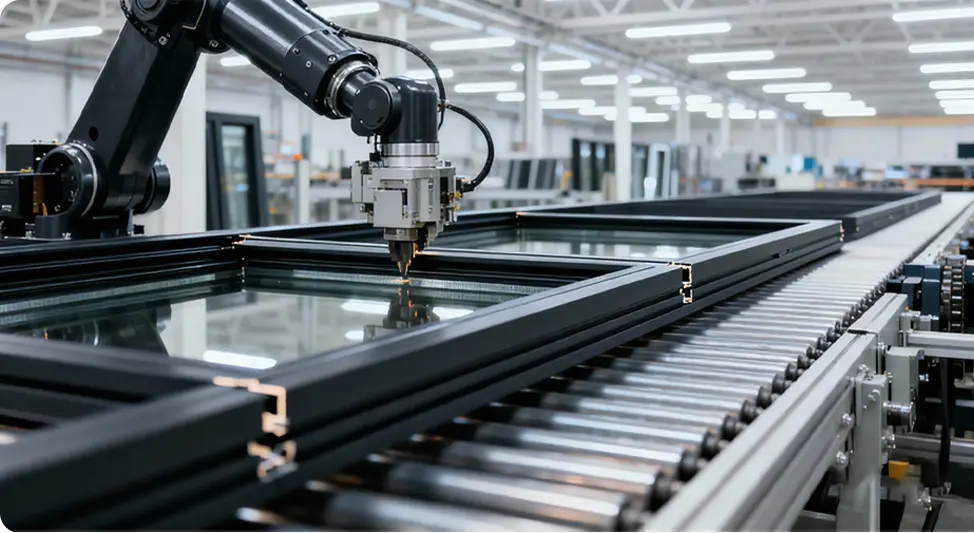
Recognized as a "China Famous Brand" by Xinhua News Agency, our industrial complex encompasses 180,000 square meters of intelligent, digitally networked production lines staffed by over 600 skilled technicians and 30+ dedicated structural facade R&D engineers.
Definitive engineering answers to technical queries, thermal calculations, and procurement specifications.
Have specific project drawings or tender specifications requiring engineering review?
Get a QuoteFrom prestigious hotel resorts and diplomatic compounds to residential towers and waterfront estates, our insulated systems deliver documented structural reliability.
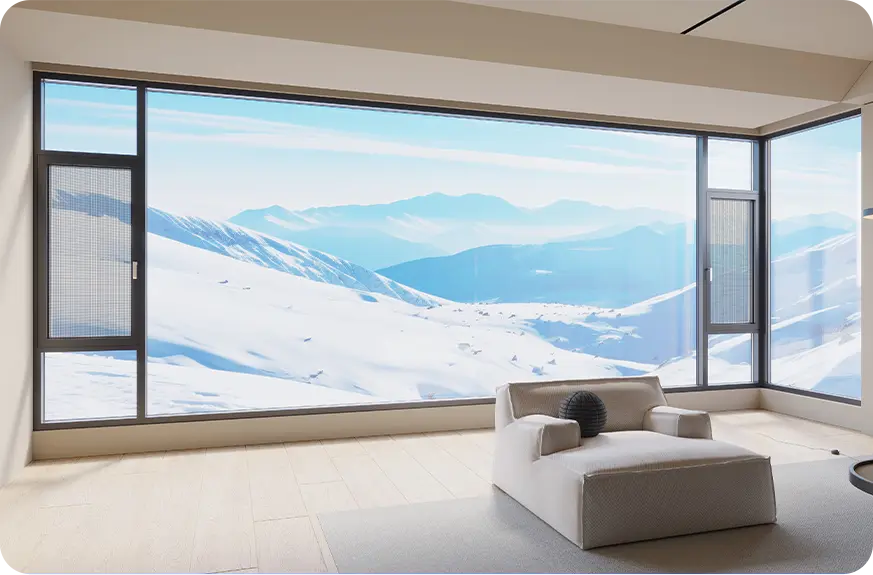
High insulation Series 75 tilt-turn fenestration matching stringent heating degree day (HDD) reduction requirements and low sound transmission goals.
Engineered with double-silver solar control Low-E glass, custom dust-blocking gasket channels, and high-temperature thermal barrier strips.
Partner with Guangdong Dejiyoupin Doors and Windows Co., Ltd. for architectural drawings, custom profile dies, third-party certified testing, and seamless container delivery.