Aviation Grade
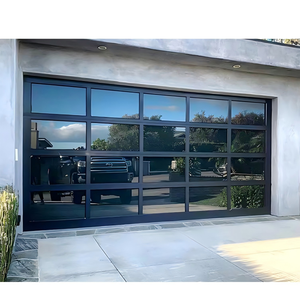
Automatic Black Aluminum Frosted Glass Sectional Residential Garage Door
Sectional Seal
Frosted Privacy Glazing
Motorised Control
Engineered with primary 6063-T5/T6 aviation-grade aluminum alloys, multi-chamber thermal breaks, and hermetic weather-seal architecture suited for residential kitchens, high-traffic commercial spaces, and exterior barriers.
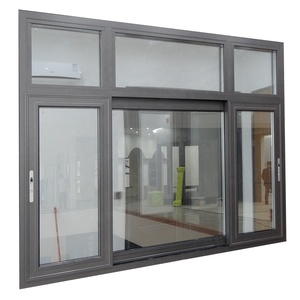
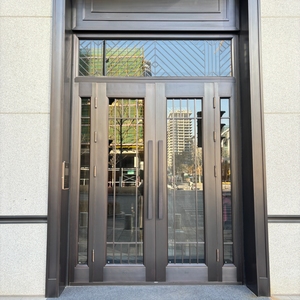
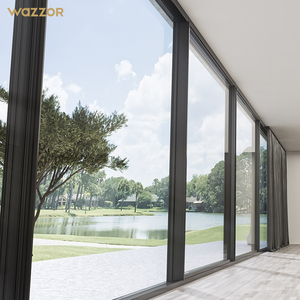
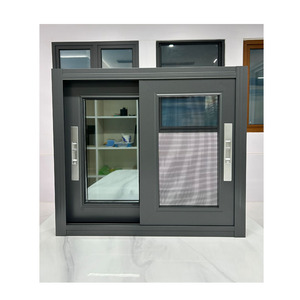
Modern residential gastronomy spaces and high-efficiency commercial kitchens require doors that do more than separate spaces. Current engineering benchmarks demand hermetic containment of grease, fumes, and acoustic resonance while ensuring maximal light transmittance.
Traditional interior swing doors allow micro-air exchanges that spill cooking aromas into adjacent living zones. Next-generation systems integrate continuous co-extruded EPDM and magnetic seal strips with compression latches, preventing grease atomization from depositing onto dining furniture and HVAC intakes.
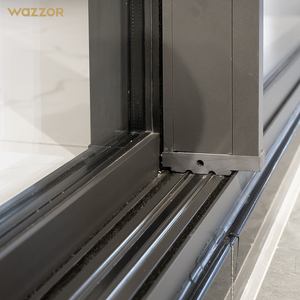
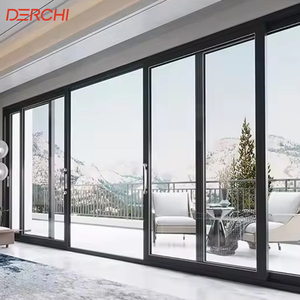
Dual Air-Seal GeometryArchitects increasingly demand panoramic connectivity between preparation kitchens and open-concept living suites. By adopting high-tensile 6063-T6 aluminum alloys with reinforced structural webs, modern profiles achieve sightline breadths as slender as 16mm while sustaining glass payloads exceeding 180kg per panel.
Structural 6063-T6 ExtrusionsWhere kitchen zones border alfresco patio cooking areas or unconditioned exterior storage, multi-cavity PA66 polyamide insulating strips are introduced. This isolates internal thermal energy, curbing condensation formation on aluminum profiles caused by boiling steam and high interior humidity.
Anti-Condensation Barriers| Performance Characteristic | Standard Commercial Grade | Deji Engineered Kitchen Door System | Operational Impact & Benefit |
|---|---|---|---|
| Alloy Composition & Wall Gauge | Recycled billet, 1.2mm - 1.4mm profile thickness | Primary 6063-T5/T6 Billet, 2.0mm - 3.0mm structural web | Eliminates door frame warping under thermal cycles; ensures 50,000+ cycle deflection stability. |
| Hermetic Sealing Interface | Standard PVC brush strip or single rubber flap | Automotive-grade EPDM + Dual Santoprene compression seals | Zero aroma escape, 99.4% vapor containment, and 38-42 dB localized acoustic suppression. |
| Track Engineering (Sliding Units) | Top-hung friction pins or steel rail floor channel | Heavy-duty SUS304 dual stainless steel tracks with silent POM damping rollers | Effortless 5N push effort, flush threshold options eliminating tripping hazards for kitchen staff. |
| Surface Resistance Treatment | Standard electrodeposition or untreated powder coat | AkzoNobel architectural PVDF / 25μm Anodized fluorocarbon | Total resistance to corrosive cooking greases, acidic cleaning detergents, and daily scouring. |
Procurement directors, general contractors, and international developers are revamping their door and window sourcing strategies. Supply chains are shifting from transactional vendor buys to integrated technical partnerships capable of managing stringent compliance, BIM coordination, and direct-to-site logistical milestones.
Skyrocketing ocean container rates have catalyzed the demand for high-precision Knock-Down (KD) modular shipments. Advanced CNC milling ensures that mitre joints, lock cavities, and hinge cutouts are milled with ±0.2mm precision in the factory, allowing frictionless on-site assembly without hot-works or cutting equipment.
50% Container Cube EfficiencyGlobal developers demand single-source suppliers whose fenestration systems satisfy overlapping performance mandates: CE marking in Europe, NFRC thermal metrics in the United States, AS2047 structural requirements in Australia, and hurricane impact standards in coastal jurisdictions without separate redesign cycles.
Universal Compliance StandardTier-1 commercial contracts mandate full building information modeling (BIM) alignment prior to extrusion runs. Forward-thinking manufacturers ingest architectural Revit and CAD assets directly into 5-axis machining software to eliminate conversion discrepancies and expedite shop-drawing sign-offs.
Direct-to-Machine CNC Pipeline
European Conformity & Audited Quality System
North American Thermal & Fenestration Metrics
Certified Windows & External Glazed Doors for Australia
Missile Impact & Cyclic Pressure Verified
Direct technical answers from our engineering team addressing material specifications, factory tolerances, anti-corrosion treatments, and international containerized shipping logistics.
Kitchen spaces present unique environmental stresses: elevated heat cycles, continuous vapor emissions, oil atomization, and frequent solvent cleaning. Timber frames absorb ambient moisture, leading to sash swelling, sticking, and eventual fungal decay. UPVC lacks structural rigidity across large glass spans and is vulnerable to discoloration and thermal creep under constant heat exposure.
Aluminum alloy 6063-T5/T6 is dimensionally inert, non-combustible (Class A fire rated), and unaffected by high-humidity steam. Paired with fluorocarbon or PVDF coatings, aluminum resists grease adherence and can be sanitized daily without finish degradation.
Our kitchen door assemblies feature a multi-tiered sealing matrix. We use high-rebound vulcanized EPDM gasketing along all outer stops, augmented by Santoprene continuous seals along interlock stiles. On pocket sliding variants, we engineer magnetic closure jambs that lock the sash tight against the frame, eliminating the perimeter gaps common to budget sliding doors.
Safety glazing is non-negotiable. We configure all kitchen units with fully tempered safety glass (SGCC/EN12150 certified), which breaks into harmless blunt granules under severe impact. For privacy or architectural accent, we offer acid-etched frosted glass, fluted/moru patterns, or switchable PDLC smart glass.
For kitchen partitions facing unconditioned exterior decks, we specify 5mm+12A+5mm double-glazed tempered units filled with 90% dry Argon gas and Low-E coatings to prevent condensation run-off during active cooking.
We apply electrostatic powder coatings using genuine AkzoNobel or PPG architectural fluorocarbon polymers, cured at 200°C for superior chemical resistance. For minimalist metallic aesthetics, we provide 25-micron anodic oxidation, which forms an integral aluminum oxide barrier that will not blister, flake, or react with acidic vapors.
Every fabricated door panel undergoes a 5-step packing protocol: surface protective films, corrugated edge armor, closed-cell EPE foam wraps, and full enclosure in fumigated steel-strapped plywood crates. Crates are loaded with pneumatic dunnage bags inside 40ft High Cube containers, maintaining zero transit breakage records across shipments to Europe, Africa, North America, and Australia.
To prepare an engineered proposal, provide structural opening schedules (rough openings), floor finish levels (FFL), preferred profile systems (sliding, bifold, or casement swing), glass specifications, and surface finish codes (RAL color or anodized finish). Our engineering department returns complete shop drawings, wind-load calculations, and cost proposals within 24 to 48 hours.
Collaborate directly with our technical team in Foshan. Access our comprehensive 2026 architectural specification manual, structural profile libraries, and wholesale project pricing matrices.