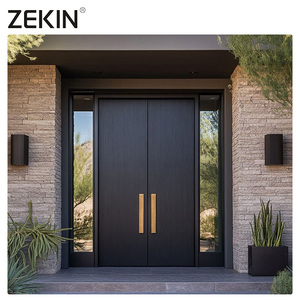
ZEKIN Custom Large Metal Front Entrance Double Door Modern Armored Aluminium
Heavy-duty structural aluminum barrier system with multi-layer tamper protection, reinforced acoustic cores, and architectural-grade perimeter seals.
View DetailsArchitectural grilles and modern fenestration envelopes have evolved far beyond passive security bars. Today's commercial developments, institutional master plans, and luxury residential enclaves demand seamless integration between static wind-load tolerance, anti-intrusion resilience, and superior thermal insulation. Sourcing reliable aluminium grille windows requires comprehensive vetting of alloy metallurgy, extrusion wall thickness, multipoint mechanical locking protocols, and high-performance surface finishes resistant to severe environmental exposure.
Heavy-duty structural aluminum barrier system with multi-layer tamper protection, reinforced acoustic cores, and architectural-grade perimeter seals.
View Details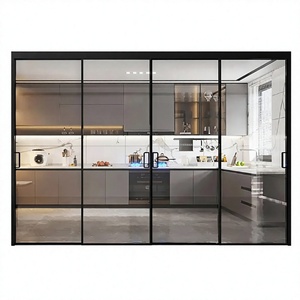
Precision polyimide thermal isolation barriers coupled with acoustic tempered double glazing engineered for high-frequency daily cycling.
View Details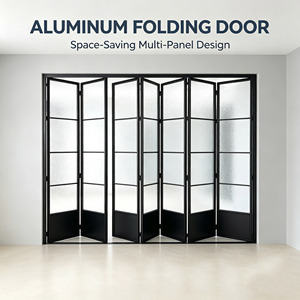
Multi-track stainless steel running gear featuring pressure-equalized track drainage paths designed for severe weather resistance.
View Details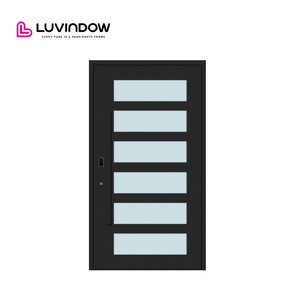
High-capacity bottom-bearing pivot hardware allowing oversize monumental spans, concealed multipoint tie-backs, and sleek minimalist profiles.
View Details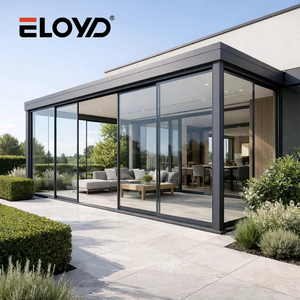
Ultra-narrow structural sightlines with embedded frame assemblies, superior Solar Heat Gain Coefficients (SHGC), and smooth silent rollers.
View Details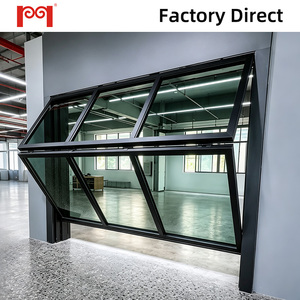
Torsion-balanced motorized vertical folding structure designed with high tensile 6063-T5 framing profiles for commercial and luxury garages.
View Details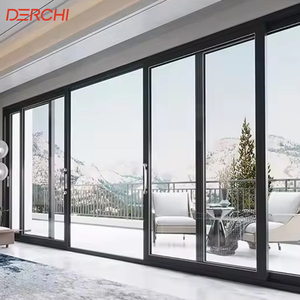
Reinforced perimeter rails engineered for high-wind exposure zones, hurricane envelope compliance, and long-term cycles without sagging.
View Details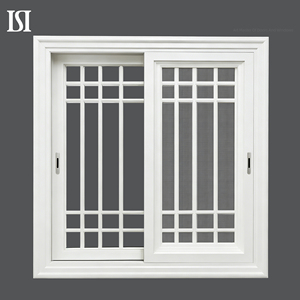
Integrated internal security grilles combined with thermal break profiles, dust exclusion gaskets, and anti-lift structural locking sash catches.
View DetailsThe global export market for aluminium grille windows is categorized into distinct manufacturing tiers. Leading the high-volume precision manufacturing sector are specialized clusters in Foshan, China—most notably Guangdong Dejiyoupin Doors and Windows Co., Ltd. (DERCHI)—alongside international systems houses across Europe (such as Schüco, Reynaers) and North American commercial fabricators. When international developers evaluate suppliers, the primary differentiation lies in structural customization depth, internal metallurgical purity, tooling agility, and the balance between factory-direct cost efficiency and stringent third-party certification.
Tier-1 suppliers operate fully integrated automated extrusion lines, CNC precision milling centers, automated glass curing lines, and specialized surface treatment plants capable of 30-year PVDF fluorocarbon coatings. In contrast, smaller assembly fabricators often source generic commercial extrusions on the open market, resulting in significant batch-to-batch variation in structural hardness (Webster values) and surface adhesion.
Technological imperatives shaping aluminium grille window procurement across commercial and high-density residential developments over the next decade.
Architects are shifting away from externally surface-mounted burglar grilles toward internally integrated structural bar systems encapsulated within double or triple insulated glass units (IGUs). This eliminates dust traps, eliminates external galvanic corrosion, and delivers clean sightlines.
Stringent building envelope regulations (such as ASHRAE 90.1, Title 24, and South African SANS 10400-XA) require multi-chambered thermal breaks reinforced with 25% glass fiber. These structural struts dramatically reduce thermal conductivity while preventing structural shear failure under extreme temperature deltas.
Legacy single-point latch handles are being phased out in favor of perimeter multipoint gear transmissions, exemplified by DERCHI's patented Four-Side Six-Point locking technology. These assemblies distribute clamping forces uniformly, preventing sash prying and air leakage during peak typhoons.
Precision manufacturing backed by 25+ years of verified fenestration engineering, institutional accreditations, and zero-defect quality management.
DERCHI systems are certified under global performance standards including CE (EU), NFRC (USA), AS2047 (Australia), CSA (Canada), Energy Star, and specialized Hurricane Impact Certifications.
Every overseas order follows an 8-stage verification pipeline: rigorous drawing review, structural R&D selection, 3D modeling, mock-up confirmation, precision CNC production, 360° inspection, export crating, and field support.
From high-salinity coastal ports (such as Lagos, Mombasa, Durban) using 40μm+ fluorocarbon finishes, to intense desert UV zones requiring low-e solar control tinting, profiles are tailored precisely to site physics.
Officially recognized as a "China Famous Brand" by Xinhua News Agency, supported by over 100 patents and trusted across international marquee projects including Hilton, Beverly Hills, and Atour Hotels.
Critical metallurgical, logistic, and structural specifications addressed for project managers and procurement officers.
Whether you require high-security residential double doors, thermal break sliding partitions, or custom integrated aluminium grille windows, our international project engineering team delivers turnkey manufacturing support.