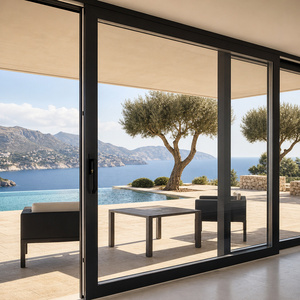
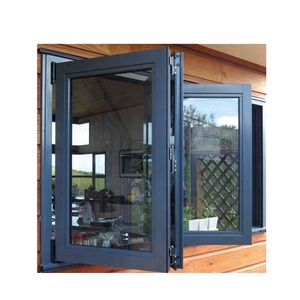
Global Industrial Fenestration & Cabinetry OEM White Paper

Custom OEM Aluminium Kitchen Cupboard Doors Supplier & Exporter

Industrial-grade precision manufacturing, zero-gap mitering, high-durability anodizing, and multi-climate architectural fenestration solutions engineered in Foshan for global Tier-1 developers and distributors.

Export Series Catalogue

Engineered Architectural Profiles & High-Precision Door Systems

Manufactured using aviation-grade 6063-T5 aluminium alloy extrusions, German robotic milling, and advanced multi-point hardware configurations. Every unit undergoes strict quality inspection before international dispatch.
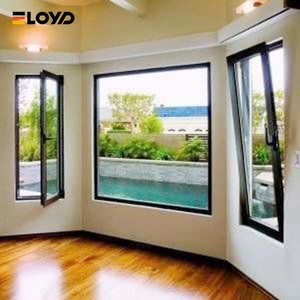
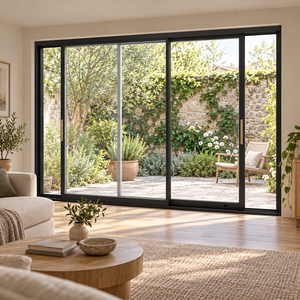
E-E-A-T Technical Foundation

Industrial Engineering Standards for Custom OEM Aluminium Cupboard Doors

An analytical engineering perspective on why aluminium-based millwork, cabinet door extrusions, and fenestration profiles outperform conventional wood composite (MDF/HDF) systems in durability, moisture resistance, and dimensional stability.

6063-T5 vs. 6061-T6 Extrusion Precision

For architectural cabinetry frames and slim-profile kitchen doors, 6063-T5 alloy offers superior surface smoothness, tighter extrusion tolerances (±0.15mm), and exceptional anodizing uniformity. Its optimized silicon-magnesium ratio prevents profile warpage, even when engineering tall 2.8-meter full-height pantry panels.

Tensile: ≥160 MPa Yield: ≥110 MPa Webster Hardness: ≥8.5 HW

Electrolytic Anodizing & Surface Passivation

Unlike domestic decorative coatings that deteriorate in cooking grease and vapor, our industrial cupboard door frames feature Qualanod-compliant anodizing with film thickness up to 20–25 microns (μm), or AkzoNobel fluorocarbon (PVDF) powder baking, resisting organic solvents, vinegar, salt, and thermal cycles.

Thickness: 15-25 μm Salt Spray: >1,000 Hours Cross-Hatch Adhesion: Class 0

Zero-Gap Mitering & Corner Bracket Rigidity

Precision CNC cutting centers execute 45-degree corner miters with an angular deviation under 0.05 degrees. Reinforced by internal high-tensile zinc-alloy expanding cleat brackets and dual-component polyurethane corner structural adhesives, our frame corners eliminate visible gaps and racking over decades.

Corner Deflection: <0.2mm CNC Tolerance: ±0.05mm Zero Splay Joint
Performance Metrics OEM Aluminium Cupboard Profiles High-Moisture MDF / HDF Solid Natural Timber
Hydrophobic Stability (Moisture Swell) 0.00% (Completely impervious to steam & boiling water) 8.0% – 15.0% (Risk of edge banding delamination) 3.0% – 7.0% (Prone to seasonal checking and warping)
Volatile Organic Compounds (VOC) Zero Formaldehyde (EN 717-1 E0 / GreenGuard Gold) Contains synthetic resin adhesives (E1 / Carb 2 level) Zero natural VOC (Dependent on varnishes used)
Fire Retardancy Rating Class A1 / EN 13501-1 Non-Combustible Core Class B2 / Combustible (Fast flame propagation) Class B2 / C Combustible without chemical impregnation
Surface Hardness & Scratch Resistance 6H+ Pencil Hardness (Micro-arc oxidation & Anodized) 2H – 3H (Melamine or lacquer laminate) 2H – 4H (Subject to denting under impact)
Modern Glass / Sintered Stone Infill Compatibility Direct integrated mechanical gasket slot (4mm–8mm) Requires heavy rebating; structural sag risk Prone to joint failure under heavy stone loads
Market Foresight & Procurement Trajectory

The Next Decade of Kitchen Cupboard Doors & Architectural Fenestration

Procurement directors and commercial contractors are redesigning their supplier matrices around carbon footprints, slim minimalism, and modular manufacturing integration.

01

Ultra-Narrow Minimalist Sightlines

Architects and high-end residential clients demand sightlines under 18mm. Slim extruded frames paired with fluted reed glass, micro-ribbed panels, and dark bronze satin finishes provide transparent luxury without sacrificing structural rigidity.

02

Circular Carbon & Recycled Ingot Audits

With the European Union CBAM (Carbon Border Adjustment Mechanism) taking effect, global buyers actively specify low-carbon aluminium (≤4.0 kg CO2/kg Al) derived from clean hydroelectric power smelting, ensuring full ESG compliance.

03

Integrated Handle Extrusions (Gola Profile)

Post-applied knobs and pulls are obsolete in modern modular kitchens. Forward-looking OEM supply contracts require seamless continuous integrated J-pull and 45-degree chamfered edge grips extruded directly into the door sash.

04

Smart Automation & Sensor Gaskets

Integration of low-voltage LED micro-channels within the aluminium perimeter extrusion, combined with touch-to-open electric servo-drives and soft-close magnetic damping seals, is transforming functional joinery into smart interior elements.

Sourcing Custom Extrusion Profiles for Your Next Project?

Provide your CAD/BIM drawings, custom extrusion cross-sections, or project bill of quantities. Our Foshan engineering department delivers tooling feasibility analysis and pricing within 24 hours.

Enterprise Strength & Verification

Guangdong Dejiyoupin: 25+ Years of Zero-Error Engineering

Headquartered in Shishan Town, Nanhai District, Foshan—the undisputed capital of the global aluminium profile industry—we integrate R&D, precision toolmaking, extrusion, surface finishing, and assembly across massive operational scale.
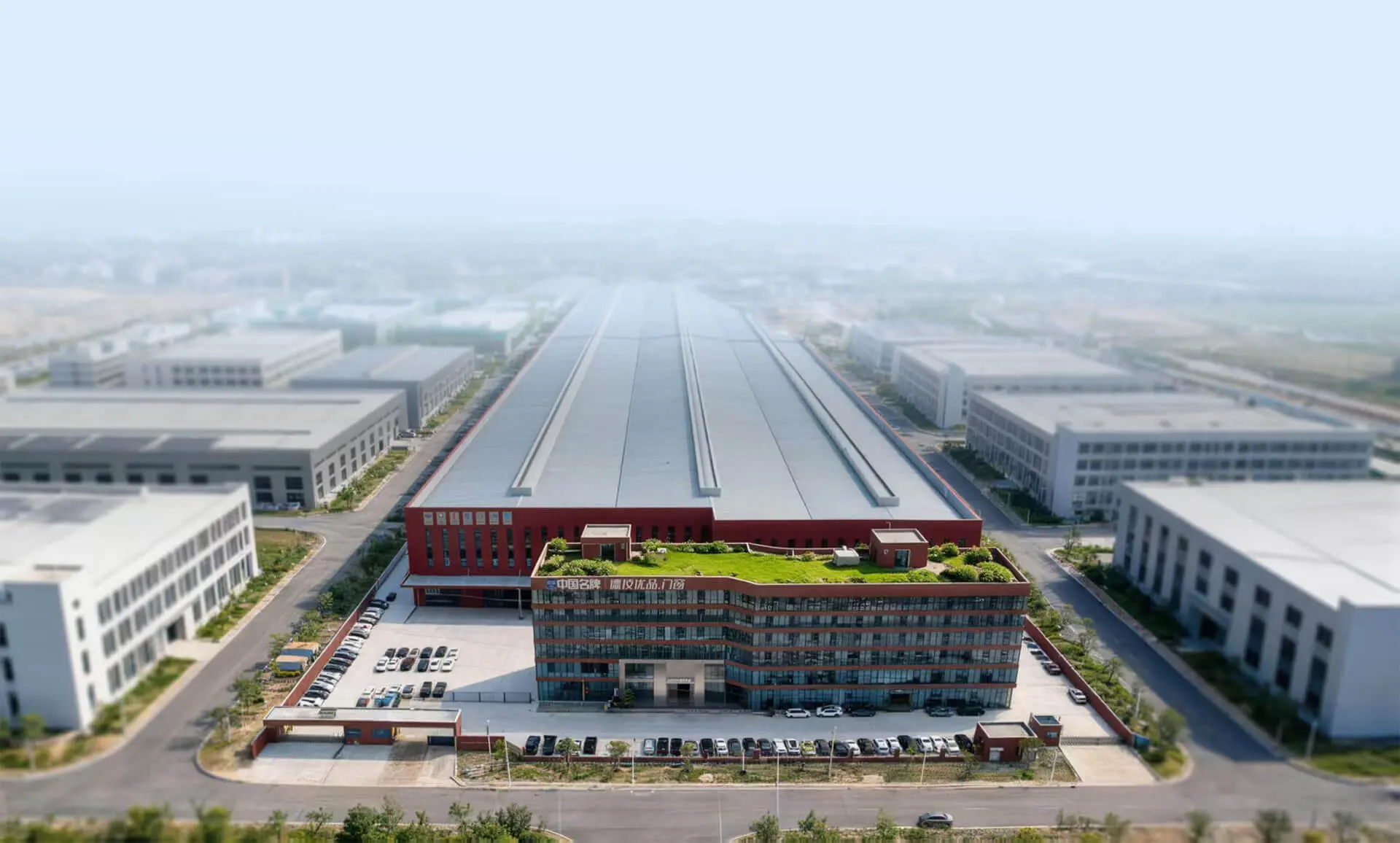
180,000m²
Intelligent Production Campus
1,000,000m²+
Annual Output Capacity
100+
National Technology Patents
18,000+
Global Commercial References
Foshan Aluminium Manufacturing Line
Xinhua News Agency Recognized: "China Famous Brand" Rigorous 360-degree quality audits with automated German elumatec 5-axis CNC machining centers.

Why Tier-1 Importers Consolidate with DERCHI

Importing architectural millwork and aluminium door systems requires predictable logistics, batch-to-batch color delta under ΔE < 0.8, and zero onsite installation errors. Our enterprise systems protect your capital through every phase of international delivery:

  • ✓ International Certification Grand Slam: Full CE (EU), NFRC (USA), AS2047 & AS1288 (Australia), CSA (Canada), Energy Star, and ISO 9001 compliance.
  • ✓ Patented Anti-Theft & Structural Innovations: 100+ registered utility patents, including our proprietary Four-Side Six-Point Lock mechanism.
  • ✓ Export-Grade Protective Packaging: Multi-layer PE protective film, rigid corner guards, cellular honeycomb cardboard, and ISPM 15 fumigated solid timber crates.
  • ✓ One-Stop Container Consolidation: Coordinate architectural fenestration, heavy patio sliding doors, interior wooden doors, and kitchen cupboard doors within single 40HC containers.
Procurement Intelligence

Frequently Asked Questions for OEM Buyers

Everything engineering consultants, cabinet manufacturers, and project developers need to know about tooling, lead times, warranties, and international quality control.

What are the standard alloy and temper specifications for your cupboard door profiles?
We primarily utilize virgin electrolytic aluminium ingot 6063-T5 conforming to GB 5237-2017 and ASTM B221 standards. For structural profiles requiring higher tensile loads, 6061-T6 is available upon engineering review. Our 6063-T5 alloy exhibits a tensile strength ≥160 MPa, yield strength ≥110 MPa, and an elongation ≥8%, ensuring crisp edge details during CNC milling and zero cracking during corner assembly.
Can you match custom anodized finishes, champagne, brushed bronze, or matt black?
Yes. We operate fully automated electrolytic anodizing and vertical powder-coating lines. We deliver anodic film thicknesses from 10 μm up to 25 μm (Qualanod certified), covering sandblasted satin, mechanical brushed wire-drawing, deep champagne, titanium grey, and architectural matt black. Batch-to-batch color variance is maintained under ΔE*ab < 0.8 using digital spectrophotometer inspection.
What are your minimum order quantities (MOQ) for custom die extrusions vs. standard systems?
For our established catalogue of over 200+ kitchen cabinet profiles and fenestration systems, the MOQ is 300 linear meters per profile or 50 complete door sets. For proprietary custom OEM profiles requiring new extrusion tooling, our die creation fee ranges from $350 to $700 depending on complexity. When initial project procurement exceeds 3 metric tons, the extrusion tooling tooling fee is 100% refunded.
How do you prevent glass rattling and seal deterioration around cupboard door infills?
We reject cheap PVC splines. All DERCHI aluminium cupboard door profiles are engineered with integrated retention channels for co-extruded EPDM cellular weatherstripping or thermoplastic elastomer (TPE) gaskets. These retain 95%+ elasticity after 100,000 cycles, withstand 80°C kitchen ambient heat, prevent vibrational glass rattle, and seal the interior space against airborne cooking vapor and grease.
What glass options, fluted profiles, and decorative infills can be pre-assembled?
We provide complete turnkey glazed assemblies. Compatible infills include 4mm–8mm Moru / fluted reeded glass, grey-tinted tempered safety glass, low-iron ultra-clear tempered glass with wired mesh, acoustic laminated glass, and ultra-thin 3mm–6mm sintered stone (porcelain slab) veneers bonded to aluminium honeycombs for ultra-luxury kitchen projects.
What export documents and clearance certifications do you provide for international ports?
We routinely ship to major ports across North America, Europe, Australia, the Middle East, and Africa (Lagos, Tema, Mombasa, Dar es Salaam, Durban). We furnish complete commercial invoices, packing lists with detailed box-by-box piece counts, bills of lading, and verified Certificates of Origin (Form E, Form F, CO). For African shipments, we ensure full compliance with pre-shipment verification standards such as SONCAP (Nigeria) and PVoC (Kenya).
How are finished cupboard and cabinet doors packaged to eliminate sea freight damage?
Our 5-stage export packing protocol includes: (1) Anti-static laser film adhered directly to all aluminium sightlines; (2) Heavy-duty impact-absorbing corner protectors; (3) Thermal shrink film encapsulation preventing sea-air moisture ingress; (4) Double-wall corrugated carton sleeves; and (5) ISPM-15 compliant heat-treated plywood crates reinforced with galvanized steel bands.
What is the standard production lead time from CAD sign-off to FOB shipping?
For in-stock catalog profiles, manufacturing and assembly require 15 to 20 working days. For customized OEM extrusions requiring new tooling creation, die cutting takes 7–10 days, sample sign-off takes 3 days, followed by mass extrusion and finishing in 18–25 days. Urgent commercial milestone shipments can be phased across multiple 40HC containers.

Direct Factory Engineering Support

Speak directly with our Foshan engineering desk to review structural loads, profile thicknesses, hinge boring coordinates, and export logistics schedules.