Engineered Product Portfolios
High-Performance Architectural Doors & Systems for Moist Environments
Explore commercial and luxury residential fenestration systems manufactured with precision 6063-T5/T6 alloy profiles, advanced hermetic seals, and high-spec moisture-proof surface treatments.
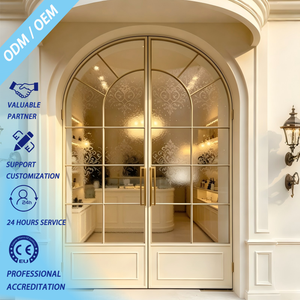
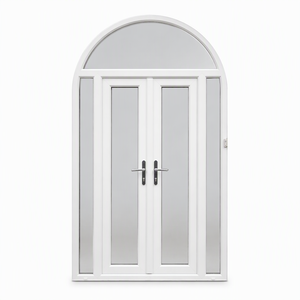
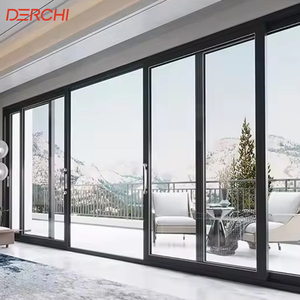
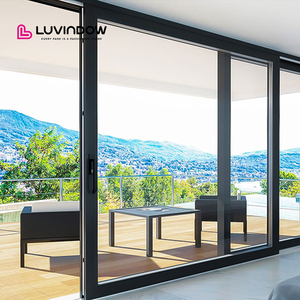
Engineering Deep-Dive
Material Metallurgy & Hermetic Sealing: The Anatomy of a High-Spec Aluminium Washroom Door
Why standard interior architectural doors fail in moist environments, and how aerospace-grade alloy extrusion, multi-cavity barrier profiles, and hydrophobic coatings eliminate oxidation, swelling, and thermal distortion.
In high-density commercial developments, luxury residential resorts, modular hospitality installations, and multi-family residential projects, washrooms and en-suite facilities represent the most demanding micro-climates inside a building envelope. With relative humidity regularly peaking between 85% and 100%, chemical exposures ranging from chlorinated cleansers to alkaline soap mists, and temperature differentials created by thermal hydrotherapy systems, conventional wooden doors or low-grade mild-steel partition systems inevitably delaminate, warp, and rust within 18 to 36 months.
This technical vulnerability has catalyzed an irreversible transition toward precision-engineered aluminium alloy washroom doors. Sourced directly from established Chinese fenestration clusters—predominantly concentrated in the Nanhai District of Foshan, Guangdong—modern architectural washroom assemblies integrate heavy-wall 6063-T5 or 6063-T6 virgin aluminium extrusions. Unlike cheap secondary scrap remelt profiles that harbor iron and copper micro-inclusions that invite galvanic corrosion, virgin primary ingot alloys produce flawless lattice grain alignments that guarantee both dimensional stability and an impervious oxide passivation film.
Critical Quality Factor: Extrusion Wall Thickness & Tensile Yield Strength
Under international building standards (including ASTM B221, EN 755, and GB/T 5237), washroom door sash profiles subjected to high daily operating cycles must maintain a minimum profile wall thickness of 1.4 mm to 2.0 mm. Thin-gauge extrusions (<1.0 mm) often marketed by budget suppliers exhibit torsional deflection under humid thermal stress, leading to misaligned magnetic latches, binding hinges, and premature rubber gasket rupture.
Alloy Metallurgy & Extrusion
Architectural washroom framing relies on high-purity Al-Mg-Si 6063 alloy tempered to T5 or T6 artificial aging. This achieves ultimate tensile strengths exceeding 160 MPa and Vickers hardness ≥ 58 HV, preventing door frame sag and structural flexure over hundreds of thousands of cycles.
- Profile wall thickness: 1.4 mm to 2.2 mm nominal
- Virgin A00 electrolytic aluminium ingot baseline
- Hydrostatic resistance and zero warping
Hydrophobic Surface Treatments
Surfaces are treated with electrochemical anodization (15μm–20μm oxide layer), fluorocarbon (PVDF) 3-coat spraying, or automotive-grade electrostatic powder coating. These treatments resist 1,500+ hours of continuous neutral salt spray without blistering or pitting.
- Qualicoat Class 2 / AAMA 2604/2605 compliant
- Anti-mildew and biocidal surface finishes
- Scratch-resistant matte and metallic textures
Hermetic Gasketing & Acoustic Core
Washrooms demand total privacy and acoustic isolation. Co-extruded EPDM cellular synthetic rubber seals combine with laminated or insulated obscure glass panels to damp sound transmission while creating an impermeable barrier against steam and odors.
- Sound Transmission Class (STC) rating: 32 dB to 38 dB
- Vulcanized corner joints preventing water intrusion
- Zero chemical degradation under bleach/detergents
| Evaluation Parameter | DERCHI Commercial Grade Aluminium | Generic Market Aluminium Door | Engineered Wood / WPC Door |
|---|---|---|---|
| Alloy Composition | Virgin 6063-T5 / T6 Certified Primary Ingot | Recycled Billet Scrap (mixed 6061/re-melt) | Cellular polymer core with PVC wrap |
| Wall Thickness (Sash/Jamb) | 1.4 mm – 2.0 mm structural compliance | 0.8 mm – 1.0 mm (high risk of sagging) | N/A (subject to core swelling >4%) |
| ASTM B117 Salt Fog Endurance | > 1,500 Hours Zero Defect | < 250 Hours Pitting Observed | Delaminates at high ambient moisture |
| Acoustic Attenuation (STC) | 35 – 40 dB with laminated acoustic core | 22 – 26 dB (single-sheet hollow glaze) | 28 – 32 dB (degrades as seal cracks) |
| Hinge & Lockset Compatibility | SUS304/SUS316 stainless or solid brass | Zinc die-cast (electroplated, prone to white rust) | Standard zinc mortise |
| Lifecycle Service Expectancy | 25+ Years Maintenance-Free | 3 to 5 Years typical replacement cycle | 5 to 7 Years in high humidity |
Manufacturing Muscle
Guangdong Dejiyoupin: The Industrial Engine Behind World-Class Fenestration
Combining 25+ years of zero-error precision engineering with an ultra-large 180,000 m² smart production base in Foshan, China.
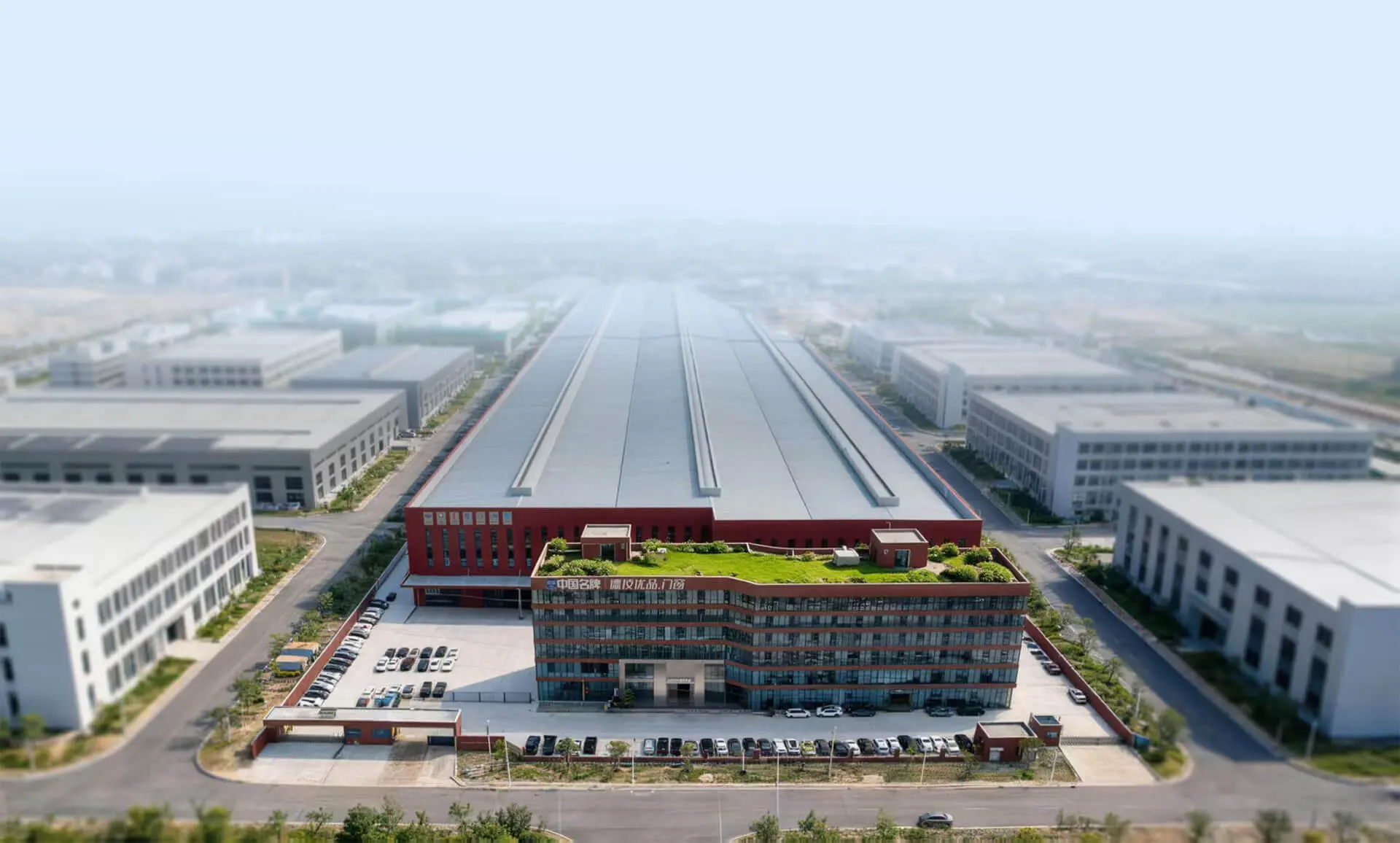
DERCHI Headquarters & Smart Fabrication Center • Shishan Town, Nanhai District, Foshan
Xinhua "China Famous Brand" Distinction
Formally audited and authenticated by Xinhua News Agency, verifying corporate financial integrity, advanced robotics automation, and environmental stewardship across China's building materials industrial landscape.
Exclusive 4-Side 6-Point Patented Anti-Theft Lock
Our proprietary invention patent revolutionizes fenestration latching by securing door leafs on all four peripheries simultaneously, eliminating rattle under negative air pressure and preventing structural pry attacks.
R&D Team of 30+ Fenestration Specialists & 600+ Skilled Staff
Continuous investment in structural finite-element simulations (ANSYS), thermal CFD modeling, and bespoke extrusion die design ensures rapid prototyping from CAD shop drawings within 72 hours.
International Certification Grand Slam
Complete compliance verified through rigorous testing: CE (Europe), NFRC & Energy Star (USA), AS2047 & AS2208 (Australia/New Zealand), CSA (Canada), and ISO 9001 certified manufacturing quality systems.
Strategic Market Intelligence
Future Procurement & Technical Trends: The Next Era of Aluminium Washroom Systems (2026–2030)
Architectural fenestration is experiencing a fundamental paradigm shift driven by smart building automation, acoustic privacy demands, sustainable lifecycle assessments, and modular prefabricated construction.
The global contract specification market for washroom doors is transitioning from commoditized, purely utilitarian barriers into intelligent architectural systems. As corporate developers, high-end hospitality brands (such as Marriott, Hilton, and Hyatt), and large-scale apartment developers scrutinize both tenant user experience and operational life-cycle costs, sourcing strategies must adapt to four transformative market drivers.
Ultra-Narrow Slimline Sightlines (Ghost Frames)
Architects are eliminating bulky visible framing in favor of ultra-minimalist sash widths (16 mm to 28 mm visual profiles) coupled with fully concealed sub-jamb wall recesses. These "ghost frame" profiles maximize clean interior sightlines while maintaining structural integrity via specialized internal corner-crimping alloy gussets and carbon-steel reinforcement rods.
Electrochromic PDLC Smart Privacy Glass
The elimination of traditional frosted or reeded privacy glass in favor of switchable polymer-dispersed liquid crystal (PDLC) laminates is accelerating. Driven by smart room automation, these washroom doors switch instantly from optically clear to completely opaque via low-voltage electrical currents triggered by lock engagement, radar occupancy sensors, or BMS protocols.
Maglev Soft-Closing Trackless Sliding Systems
Floor tracks in sanitary environments create unhygienic dirt traps that harbor fungal biofilm and collect mineral scale. The market is shifting to top-hung magnetic levitation (Maglev) slide mechanisms. These feature contactless linear drive deceleration, ensuring near-silent gliding (< 28 dB), zero mechanical wear, and barrier-free, ADA-compliant flush floor thresholds.
Circular Economy & Carbon Border Adjustment (CBAM)
Global procurement teams in North America and Europe now mandate Environmental Product Declarations (EPD). Chinese manufacturing leaders like Guangdong Dejiyoupin are investing in hydropower-smelted low-carbon aluminium billets, closed-loop powder recovery booths, and VOC-free water-based anodizing lines that drastically minimize cradle-to-gate embodied carbon footprints.
Biocidal Antimicrobial Nano-Ceramic Coatings
Following heightened global public health protocols in hospitality and healthcare, surface treatments are evolving beyond aesthetics. Next-generation washroom door profiles incorporate silver-ion (Ag+) and titanium dioxide (TiO2) photocatalytic additives into powder coatings, active in destroying 99.9% of bacteria, mold, and airborne pathogens upon contact.
Prefabricated Pod Integration & Modular Framing
Offsite construction and prefabricated bathroom pods require door packages delivered with factory-installed sub-frames, plug-and-play click-in architraves, and pre-adjusted European magnetic latches. This turnkey system slashes on-site carpenter installation time from 3.5 hours per door opening down to just 25 minutes.
Sourcing Due Diligence
Avoiding Critical Pitfalls When Sourcing Aluminium Washroom Doors from China
A rigorous checklist for commercial importers, real estate general contractors, and procurement officers to inspect factory capacity, audit bill of materials (BOM), and prevent quality degradation.
While China hosts thousands of door assemblers, significant qualitative variations exist between Tier-1 industrial manufacturers and regional assembly workshops. Disreputable brokers often present polished marketing photos while outsourcing manufacturing to fragmented sweatshops that utilize undersized extrusions, recycled toxic sealants, and counterfeit European hardware brands. To secure your supply chain and protect project margins, execute the following three verification protocols:
1. Spectrometric Ingot Verification
Always demand third-party mill test certificates (MTC) verifying that extrusions are drawn from primary A00 electrolytic aluminium billets. Refuse scrap re-melts that fail iron/silicon balance tolerances, which leads to structural embrittlement and catastrophic stress-corrosion cracking in humid areas.
2. Safety Glazing Certifications
Washroom doors present immediate human impact risks. Ensure glass panels display permanent ceramic laser markings compliant with US ANSI Z97.1, European EN 12150-1, or Australian AS/NZS 2208 standards. Monolithic tempered glass must incorporate heat soak testing (HST) to mitigate spontaneous nickel-sulfide (NiS) inclusions.
3. Hardware Bimetallic Isolation
When stainless steel hinges and screws make direct electrical contact with aluminium in warm moisture, severe galvanic corrosion erodes the aluminium frame. Top-tier suppliers integrate precision polyamide (PA66) isolation shims, Delrin bushings, and non-conductive thread lockings to safeguard structural connections.
Direct Answers for Importers
Frequently Asked Questions: Bulk Washroom Door Procurement
In-depth technical and commercial answers addressing MOQ, lead times, sea freight crate packaging, custom extrusions, and on-site warranty enforcement.
What is the recommended minimum extrusion profile thickness for commercial washroom doors?
For commercial projects, hotels, and luxury multi-family apartments, we specify an extrusion wall thickness between 1.4 mm and 2.0 mm for both sashes and master frame jambs. Residential economy applications may accept 1.2 mm on non-bearing transoms, but anything below 1.2 mm risks frame sagging, latch binding, and glass seal breakdown under heavy daily commercial use.
How does an aluminium washroom door handle acoustic privacy and steam isolation simultaneously?
Acoustic and vapor containment are achieved through a dual-defense system. First, our doors utilize automotive-grade continuous EPDM hollow bulb weatherstripping that compresses hermetically against the frame rebate. Second, the door leaf incorporates either 6mm+PVB+6mm acoustic laminated privacy glass (frosted/fluted) or an insulated aluminium composite honeycomb core, attaining certified laboratory Sound Transmission Class (STC) ratings between 32 dB and 38 dB.
Can you manufacture custom extrusion shapes or match architectural finishes for large projects?
Yes. Backed by our 30+ R&D engineering department, Guangdong Dejiyoupin provides full OEM and ODM custom die fabrication. For orders exceeding 200 units, we design and produce custom extrusion tooling within 12–15 business days. Surface finishes include custom RAL powder coating, AkzoNobel Interpon fluorocarbon PVDF, matte Champagne/Bronze/Black anodization, and 3D textured realistic woodgrain sublimation.
What are your minimum order quantities (MOQ) and production lead times for bulk container orders?
For standard portfolio configurations, our minimum order quantity is 20 sets. For full bespoke custom architectural projects requiring new profile dies or custom frosted glass motifs, our MOQ starts at 50 sets or one 20-foot GP ocean container (~80-120 sets depending on sizing). Standard factory lead times are 20 to 25 business days following final approved shop drawings and deposit confirmation.
How are glass and high-end powder-coated frames protected against damage during ocean transit?
Every profile is wrapped in electro-static PE protective film (resistant to residue under tropical heat), shielded with high-density EVA foam corner buffers, enveloped in heavy-gauge shrink wrap, and packed inside fumigated, ISPM-15 compliant solid plywood crates. We utilize heavy-gauge steel strapping and desiccants inside shipping containers to prevent condensation and moisture stains during long-haul voyages.
How does Guangdong Dejiyoupin prevent bimetallic galvanic corrosion at hinge and lockset attachment points?
All fasteners used throughout our door assemblies are manufactured from marine-grade SUS304 or SUS316 stainless steel. To prevent the electrochemical potential difference from degrading the aluminium frame, our engineers insert non-conductive polyamide (PA66) isolator pads and vulcanized EPDM gaskets between the hinges and the aluminium profile, guaranteeing zero galvanic oxidization even in saline coastal air.
What international testing and building standard certifications do your doors hold?
DERCHI systems hold global certifications: CE conformity (EN 14351-1) for Europe, NFRC thermal and air filtration ratings for North America, AS2047 and AS2208 for Australia/New Zealand, and CSA certification for Canada. Additionally, our factory operates under accredited ISO 9001, ISO 14001, and ISO 45001 management systems, backed by over 100 proprietary national utility and invention patents.
Do you supply complete pre-hung systems with hardware, jambs, and sub-frames ready for installation?
Yes. We specialize in complete pre-hung systems designed to streamline on-site labor. Every unit arrives with CNC pre-milled hinge pockets, laser-drilled mortise lock recesses, matching clip-on architraves, telescopic wall jambs (accommodating variable wall thicknesses from 80 mm to 220 mm), and pre-tested magnetic latch handles, minimizing on-site contractor installation error.
Ready to Optimize Your Project's Fenestration Sourcing?
Submit your architectural CAD drawings or opening schedules. Our senior engineering team will deliver a comprehensive Bill of Materials (BOM), structural analysis, and factory-direct volume quotation within 24 hours.