Featured Commercial & Residential Aluminium Door Systems
Manufactured using certified 6060-T66 and 6063-T5 aluminium alloy extrusions, German multipoint locking systems, and premium Low-E insulated glazing units tailored for global project developers and wholesale distributors.
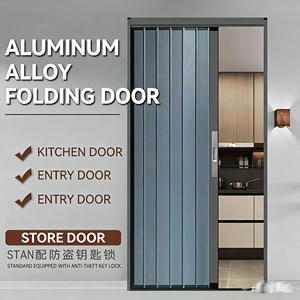
Modern Design Aluminum Alloy Foldable Sliding Door Invisible Air Conditioning Partition Kitchen Bathroom Bedroom Finished
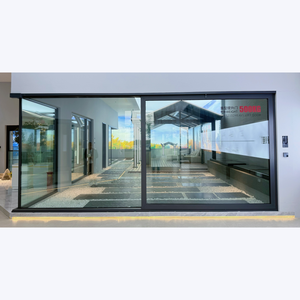
High Load Aluminum Doors 6060 T66 Aluminum Lift and Sliding Doors with Lowe Double Triple Glass
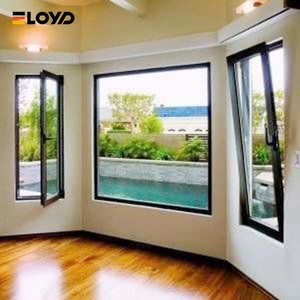
Eloyd Modern Aluminum Tilt Turn Windows & Doors with Swing Open Style Triple Glass Double Glazed Comply with America Standards
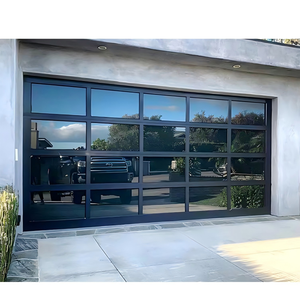
Automatic Black Aluminum Frosted Glass Sectional Residential Garage Door
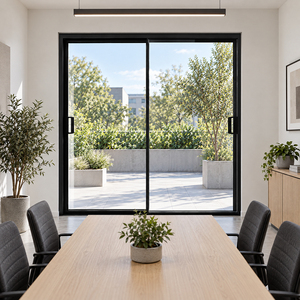
Aluminum Alloy Glass Lift Sliding Door Thermal Insulated Waterproof Stainless Steel Screen For Commercial Exterior
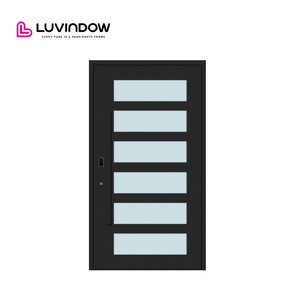
Secure Large Opening Aluminum Entry Pivot Doors for High End North American Residential Communities
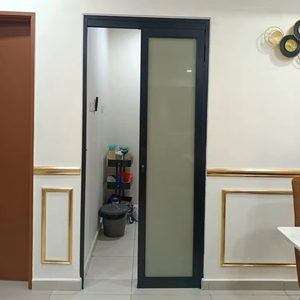
Modern Durable Easy-Clean Aluminum Trackless Sliding Front Entry Door for SEA/Middle East Commercial Projects & Shops
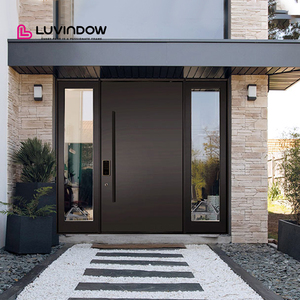
Modern Anti-Theft Security Aluminum Front Entry Doors For Villas Waterproof Exterior Main Gate Door For House
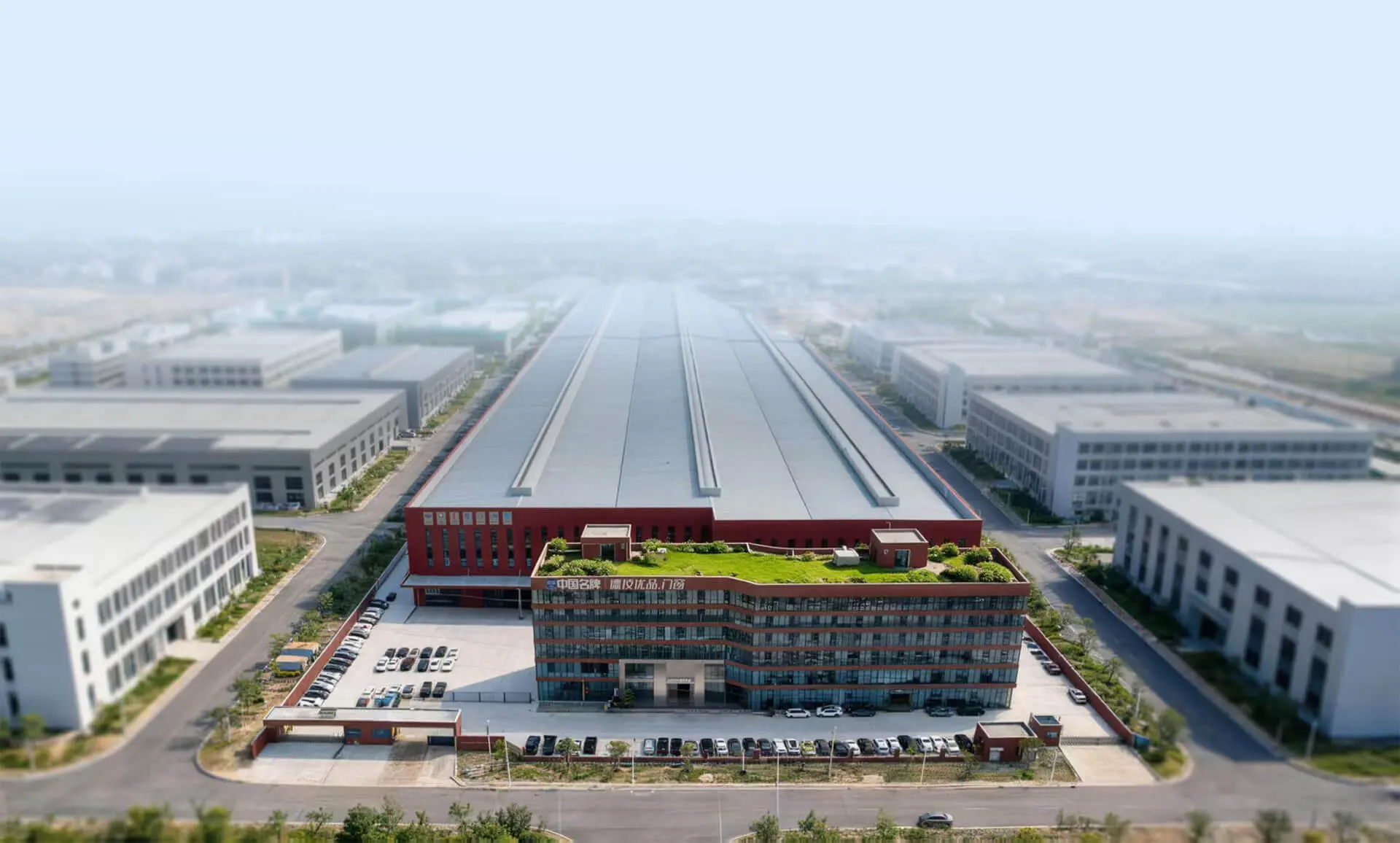
Guangdong Dejiyoupin (DERCHI) Manufacturing Excellence
Headquartered in Foshan, China's premier aluminium extrusion hub, our modern production infrastructure supports bulk wholesale orders, custom architectural specifications, and rapid international fulfillment.
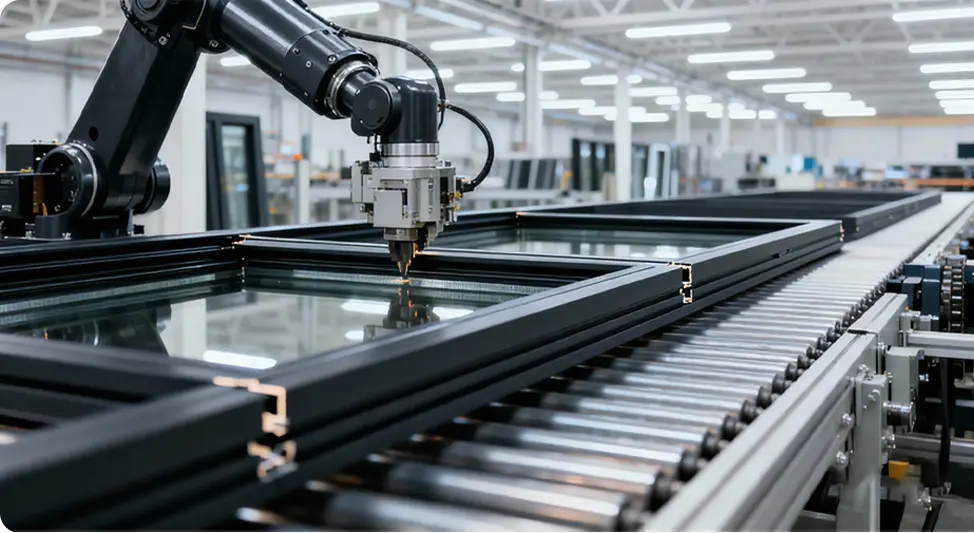
The Foshan Engineering Advantage: Zero-Error Philosophy
For more than 25 years, Guangdong Dejiyoupin Doors and Windows Co., Ltd. has pioneered the fabrication of high-spec aluminium door and window assemblies. Our 600+ specialized manufacturing staff and 30+ R&D engineering consultants adhere to continuous 360° quality management across every production tier.
Recognized as an official "China Famous Brand" by Xinhua News Agency, our facility integrates automated 5-axis CNC profile machining centers, pneumatic corner crimping systems, and laser-guided positioning to eliminate dimensional deviation before container loading.
- Alloy Integrity: Strictly virgin primary A00 aluminium ingots extruded into 6063-T5 and 6060-T66 architectural tempers.
- Proprietary Security: Exclusive Four-Side Six-Point Lock anti-theft invention patent delivering unmatched forced-entry resistance.
- Global Certification Grand Slam: Tested and certified to CE (EN 14351-1), NFRC, AS2047, CSA, Energy Star, and ISO 9001 standards.
- Tested Weather Sealing: Multi-chamber EPDM co-extruded gaskets resistant to UV degradation and extreme coastal salt fog.
Technical Anatomy of Architectural Aluminium Hinged Doors
Aluminium hinged doors—often referred to in commercial fenestration as swing or casement doors—represent the benchmark for exterior building envelopes where structural rigidity, perimeter weather tightness, and cycle durability are paramount.
Extrusion Metallurgy & Wall Thickness
Standard residential swing doors often utilize thin 1.2mm profiles which suffer from sash deflection over time. Our export-grade hinged systems utilize heavy-duty 2.0mm to 3.0mm structural wall thicknesses with 6060-T66 or 6063-T6 alloys. This higher tensile strength prevents sash sagging under heavy triple-glazed loads and resists severe positive and negative wind pressures up to 4,500 Pa (Class 5 wind load compliance).
Patented 4-Side Multi-Point Locking
Standard doors lock solely along the active jamb, leaving top, bottom, and hinge stiles vulnerable to thermal bowing and pry attacks. Our proprietary mechanism drives hardened steel mushroom cams into reinforced keeps on all four perimeter edges simultaneously. This ensures airtight perimeter gasket compression, achieves RC3 / PAS 24 burglary resistance, and prevents perimeter air bypass under cyclical gust conditions.
Thermal Break & Energy Thermodynamics
Equipped with low-conductivity PA66-GF25 (polyamide fiberglass reinforced) thermal barrier strips ranging from 24mm to 34mm in depth. Combined with warm-edge spacer bars, Low-Emissivity coatings, and 90% Argon gas infill, our insulated swing doors achieve exceptional overall system U-values ($U_w$) as low as 1.1 W/m²K (0.19 BTU/h·ft²·°F), qualifying for high-efficiency Energy Star and Passivhaus criteria.
| Performance Vector | Standard Wholesale Market Grade | DERCHI Commercial Hinged Specification | Standard Test / Verification Metric |
|---|---|---|---|
| Aluminium Alloy & Temper | 6063-T5 (Recycled B-Grade Ingot) | 6060-T66 / 6063-T6 Pure Primary A00 Ingot | ASTM B221 / EN 755-2 Spectrometry |
| Frame / Sash Wall Thickness | 1.2mm – 1.4mm nominal | 2.0mm – 3.0mm Heavy Structural Reinforcement | Ultrasonic Micrometer Verification |
| Thermal Barrier Material | PVC Strips or non-reinforced nylon | Technoform PA66-GF25 Polyamide Bars | DIN EN 14024 Transverse Tensile Strength |
| Water Tightness (Static) | 150 Pa – 300 Pa (Blowing leaks) | 600 Pa – 900 Pa Watertight (Internal Drainage) | ASTM E331 / EN 12208 Class 9A |
| Air Infiltration Rate | Class 2 (0.34 cfm/ft²) | Class 4 (< 0.05 cfm/ft² - Hermetic Seal) | ASTM E283 / EN 12207 Class 4 |
| Hardware Durability | 20,000 cycles (friction fatigue) | >200,000 Heavy Commercial Swing Cycles | EN 1191 / ANSI/BHMA A156.1 Grade 1 |
| Surface Coating Longevity | Standard Polyester 40μm (5yr fading) | Fluorocarbon PVDF 3-Coat (AAMA 2605) / 25μm Anodized | ASTM B117 >3,000 Hrs Neutral Salt Spray |
Engineered Hinges & Concealed 3D Hardware
The single greatest point of failure in commercial hinged doors is the hinge interface. High-frequency swinging motions, coupled with the dead-weight of heavy double or triple laminated glass units (often exceeding 150 kg per leaf), create tremendous shear forces on fastening screws.
Our engineering division designs with Grade 14 Heavy-Duty 3D Adjustable Butt Hinges and continuous architectural pivot hinges. Fabricated from precision-machined austenitic 304/316 stainless steel and aircraft-grade aluminium, each hinge assembly is rated to 250 kg per pair and features self-lubricating synthetic sleeve bearings.
Three-dimensional adjustability allows on-site installers to fine-tune sash alignment (+/- 3mm vertical, lateral, and gasket compression) without unhanging the door leaf. This guarantees that perimeter gaskets seal uniformly across the complete frame perimeter, stopping whistle noises and air drafts permanently.
Global Procurement Trends in Aluminium Fenestration (2025–2030)
As commercial developers, architectural wholesalers, and general contractors evaluate Chinese manufacturing partnerships, macro-regulatory changes and sustainable building codes are shifting the procurement framework.
1. Decarbonization & Low-Carbon Aluminium
Global carbon tariffs (such as the EU Carbon Border Adjustment Mechanism - CBAM) are compelling Tier-1 projects to demand verified Environmental Product Declarations (EPDs). Sourcing from facilities that utilize hydro-powered clean extrusion lines and post-industrial recycled scrap lowers the embodied carbon footprint by up to 65% compared to coal-fired smelting.
2. Prefabricated Unitized Glazing Integration
Rising on-site jobsite labor costs across North America, Europe, and Australia are driving demand for pre-glazed, factory-assembled hinged doors with integrated sub-frames, pre-installed flashings, and factory-tested multipoint hardware. Importers benefit from reduced on-site installation schedules and zero assembly errors on site.
3. Smart Home & Mechatronic Access Convergence
High-end residential entries require seamless integration with building automation systems. Demand is accelerating for hinged entrance doors with integrated motorized electric strikes, hidden cable transfers, biometric recognition, and micro-switch status monitors compatible with KNX, Crestron, and mobile access gateways.
4. Resilience Against Extreme Climate Disruption
From severe category-5 hurricane zones in coastal North America and the Caribbean to scorching heat and sand storms in the Middle East and Sahel, fenestration buyers require certified performance. Multi-chamber designs paired with structural laminated glass prevent catastrophic building envelope failure during extreme pressure differentials.
5. Digital BIM Modeling & Traceability
Architects and specifiers require full Autodesk Revit / BIM files alongside millimeter-accurate CAD shop drawings prior to extrusion ordering. Real-time order tracking, production barcoding, and material batch tracking ensure 100% QA traceability from billet melt to site delivery.
How to Audit a Chinese Aluminium Hinged Door Manufacturer
A structured auditing framework used by institutional sourcing directors and quantity surveyors to mitigate supply chain risks when purchasing wholesale architectural doors from China.
Step 1: Extrusion Chemistry & Billet Audit
Verify whether the manufacturer operates internal remelt facilities using cheap scrap or procures primary A00 grade aluminium billets (e.g., from Chalco or Rusal). Request optical emission spectrometer mill test certificates verifying the magnesium-silicon ratio (0.45-0.9% Mg, 0.2-0.6% Si) for optimal ductility and mechanical yield strength.
Step 2: Corner Joint Crimping Verification
A mechanically weak corner joint leaks water and air within six months. Inspect the factory's corner assembly technique. DERCHI employs heavy-duty cast aluminium corner cleat keys injected with two-component polyurethane corner mastic sealants, secured by pneumatic simultaneous crimping machines to ensure absolute 90° rigidity.
Step 3: Surface Treatment Testing
Ensure that exterior powder coatings comply with Qualicoat Class 2 or AAMA 2604/2605 specifications (e.g., AkzoNobel or PPG resins). Demand documented cross-hatch adhesion testing (ISO 2409), MEK solvent resistance rub tests, and 3,000-hour salt spray exposure logs to prevent filiform corrosion on coastal projects.
Step 4: Glazing Unit Quality & Gas Retention
Insist on automated dual-seal IGU lines utilizing polyisobutylene (PIB) primary sealant and two-part structural silicone or polysulfide secondary sealants. Verify Argon gas concentration (≥90%) with non-destructive spark emission testing to ensure long-term thermal compliance and prevent glass fogging.
Step 5: Export Crating & Stillage Packaging
Standard carton packaging results in bent hinge flanges and scratched anodizing during sea transit. Top exporters utilize custom-welded steel stillages or fully enclosed, fumigated ISPM-15 plywood crates lined with pearl cotton, desiccants, and edge corner protectors designed for direct crane or forklift handling at project sites.
Turnkey Export Logistics & Compliance Documentation
Direct factory shipments loaded and containerized at our Foshan facility with complete clearance documentation tailored to your destination port requirements.

Container Optimization & Comprehensive Export Support
Shipping custom architectural doors across international waters requires rigorous packaging engineering and logistics coordination. We ensure every shipment arrives in pristine condition ready for rapid on-site installation:
- Consolidated Project Packing: Door frames, sub-sills, glass units, hardware, and installation brackets packed and coded systematically by room, floor, or elevation number.
- Heavy Steel Stillages: Custom-designed steel A-frames and L-frames engineered for 20GP, 40GP, and 40HQ ocean freight shipping to prevent transit shifting and glass fracture.
- Customs Clearance Compliance: Complete preparation of Form A / CO, Bill of Lading, Commercial Invoices, Packing Lists, SASO/SABER (Saudi Arabia), SONCAP (Nigeria), PVoC (Kenya), and CE Declaration of Performance (EU).
- Worldwide Destination Ports: Regular factory-direct container shipments to Los Angeles, Long Beach, Vancouver, Sydney, Melbourne, Auckland, Felixstowe, Rotterdam, Durban, Mombasa, Lagos, Dubai, and Jeddah.
Frequently Asked Questions for Wholesale & Project Buyers
Detailed technical, commercial, and operational answers addressing the core questions raised by international fenestration buyers.