Direct OEM/ODM Industrial Fenestration Authority

China Top Aluminum Window Manufacturers & Exporter

Engineered architectural window systems, precision thermal-break extrusions, and certified structural building envelopes exported globally from Foshan's 180,000 m² smart manufacturing facility.

180,000m²
Modern Production Base
1,000,000+m²
Annual Engineered Capacity
18,000+
Global Landmark Projects
100+
National Engineering Patents

Export-Grade Aluminum Window & Architectural Door Series

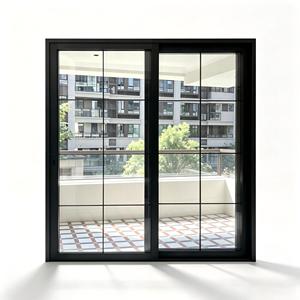
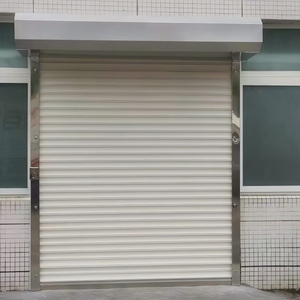
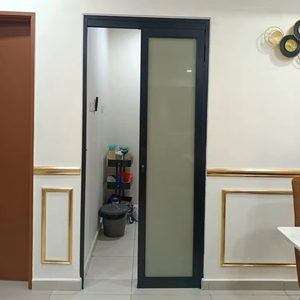
From coastal villa hurricane resistance to ultra-narrow thermal facade systems, every custom unit is manufactured using precision 6063-T5/T6 alloy profiles, multi-cavity thermal barriers, and heavy-duty European hardware.

Leading China's Fenestration Export Industry Through Technical Rigor

Based in Foshan, Guangdong—the core of global aluminum extrusion—our industrial complex unites raw alloy processing, precision robotic cutting, insulated glass processing, and export compliance under one roof.

180,000 m² Mega Infrastructure

Equipped with computerized German CNC cutting lines, automated robotic assembly cells, and in-house glass tempering processing lines producing over 1,000,000 m² annually for global markets.

International Certification Grand Slam

Compliant with worldwide building regulations: CE (EN 14351-1), NFRC / AAMA (North America), AS2047 / AS1288 (Australia & Oceania), CSA, Energy Star, and ISO 9001 quality management standards.

Patented Anti-Theft Innovation

Proprietary owner of over 100 national patents, including our exclusive Four-Side Six-Point Lock mechanism, significantly increasing forced-entry resistance for villas and high-security residences.

Tropical, Coastal & Arid Weatherproofing

Extensively proven in over 18,000 global projects. Our fluorocarbon PVDF and architectural powder coatings provide verified resistance to extreme UV radiation, severe sandstorms, and coastal marine salinity.

"China Famous Brand" by Xinhua

Officially recognized as a trustworthy export manufacturer by Xinhua News Agency, validating corporate integrity, financial stability, and supply chain accountability for overseas wholesale importers.

Turnkey Engineering & Export Support

Comprehensive project-based support including CAD/BIM shop drawings, structural wind-load calculations, consolidated container packing by floor schedule, and remote installation engineering supervision.

Engineering Insight: Profile Wall Thickness & Structural Safety

High-performance fenestration is heavily dependent on extrusion wall thickness. While residential windows often use lightweight 1.4mm profiles, high-rise and coastal architectural requirements demand 2.0mm to 3.0mm primary wall profiles in 6063-T6 temper to prevent wind-load deflection and water barrier degradation under cyclical dynamic pressures.

Future Procurement Trends in the Global Aluminum Window Sector

International contractors and building material distributors must adjust purchasing strategies to match stricter building codes, decarbonization targets, and smart logistics frameworks.

Thermal Envelope Compliance

1. Stringent Whole-Window U-Value Caps

Global environmental directives (such as EU Net-Zero, US Title 24, and South African SANS 10400-XA) require total window U-values below 1.4 W/m²K. Importers are transitioning from basic thermal breaks to multi-chamber polyamide bars (PA66 GF25) combined with argon-filled triple Low-E insulated glass.

Architectural Minimalism

2. Ultra-Narrow Profiles with Heavy Load Limits

Modern luxury architecture prioritizes expansive uninterrupted glazing. The market demands concealed sash frames, seamless floor transitions, and minimal vertical mullions (under 25mm visible width) backed by stainless steel tandem rollers capable of smoothly gliding 600kg oversized glass panes.

Prefabrication & Supply Chain

3. Unitized Modular Consolidation

Faced with high labor costs in Western markets and Africa, developers increasingly procure modular, factory-glazed, unitized window-wall packages. Pre-glazed frames with pre-tested hardware eliminate on-site glass handling hazards and cut field installation timelines by over 45%.

Evaluation Factor Legacy / Low-Tier Procurement Advanced Engineering Direct Sourcing (DERCHI Standard) Project Impact & ROI
Alloy Metallurgy Recycled aluminum scrap with inconsistent metallurgical grain (sub-standard tensile strength). 100% Primary Billet 6063-T5 / 6063-T6 aluminum alloy; uniform mechanical tension and elasticity. Prevents structural fatigue, corner cracking, and air penetration failure under wind load.
Thermal Barrier PVC extruded isolation strips prone to thermal degradation and high thermal shrinkage. European standard PA66 GF25 (polyamide reinforced with 25% fiberglass) thermal barriers. Zero warping between interior and exterior profiles during severe temperature shifts (-30°C to +70°C).
Surface Protection Single-coat standard paint yielding chalking and oxidation within 24–36 months. AkzoNobel architectural powder coating or 3-coat Kynar 500 PVDF fluorocarbon (AAMA 2605 compliant). 20+ years of color retention and gloss integrity under marine salinity and high solar UV exposure.
Glazing Technology Standard monolithic float or regular clear double glass with manual air sealing. Dual-seal silicone insulated glass units (IGU), warm-edge spacers, filled with 90%+ Argon gas and Low-E. Cuts building HVAC electrical draw by 30% to 50% while reducing sound transmission by up to 42 dB.

Technological Evolution: The Next Generation of Fenestration

From smart building automation to circular low-carbon fabrication, learn how technological advances are transforming Chinese window and door manufacturing for global application.

Smart Building Automation

Building Automation & Smart Actuation

Concealed electronic motors, integrated smart home protocols (Zigbee/Matter), and intelligent sensors are moving from novelties to standard specifications. Windows and sliding walls now automatically respond to indoor CO2 levels, rain sensors, and central fire alarm evacuation protocols.

Extreme Climate Resilience

High-Impact & Hurricane Engineering

With increasing global storm severity, demand for impact-rated fenestration is expanding beyond the Caribbean and Florida into Southeast Asia and coastal Africa. Modern products feature SentryGlas (SGP) interlayer laminates engineered to resist continuous cyclic pressure and large projectile impacts.

Acoustic & Bioclimatic Integration

Acoustic Attenuation & Thermal Balance

As urbanization intensifies, high-density residential developments require sound suppression exceeding STC 40. Advanced profiles utilize asymmetric glass lamination combined with vulcanized EPDM continuous gasket sealing to decouple acoustic vibration transmission.

Frequently Asked Questions for Window Importers & Contractors

Answers to common questions regarding customs verification, international testing standards, seaworthy packaging, and project lead times.

Q1 How can overseas buyers verify factory production capacity without traveling?

We provide comprehensive verification methods: real-time immersive 3D VR factory walkthroughs, live interactive video audits across the production floor, independent third-party inspection reports (SGS/TÜV), and formal project reference checks with overseas franchise partners across North America, the Middle East, and Africa.

Q2 What structural certifications are required for project sign-off?

Depending on your jurisdiction, our export series hold CE marking (EN 14351-1 for Europe), NFRC thermal ratings and AAMA structural load test certifications (USA), and AS2047 / AS1288 certification (Australia). We supply certified engineering reports, glass test data, and structural wind-load calculation sheets for local building consultants.

Q3 How do you prevent coastal corrosion during shipping and installation?

We use AAMA 2605 compliant PVDF fluorocarbon coatings or marine-grade architectural powder coatings. Furthermore, all assembly fasteners, concealed hinges, and tandem roller pins are manufactured from 304 or 316 marine-grade stainless steel to ensure long-term corrosion resistance in high-salinity maritime zones.

Q4 How are glass windows protected during intercontinental maritime transit?

Every unit undergoes our multi-stage export packaging process: static scratch-proof surface films, reinforced composite corner caps, multi-layer high-density pearl cotton wrapping, and fully enclosed fumigated non-wood composite crating. Crates are secured using tensioned steel bands to withstand dynamic container movement during ocean freight.

Q5 What is the typical lead time from shop drawing sign-off to port loading?

Standard architectural profile orders are ready in 25 to 35 business days from final CAD shop drawing sign-off and deposit receipt. Fully custom-extruded profiles, bespoke arch geometries, or specialized SGP laminated glass systems typically require 35 to 45 business days to clear internal quality control protocols.

Q6 How do you guarantee exact fitment and eliminate installation sizing errors?

Our engineering division verifies full structural drawings, rough opening tolerances, floor finish elevations, and expansion gap allowances before production begins. For large-scale projects, we fabricate 1:1 scale corner joint samples or full mock-up units for consultant testing and verification.

Start Your Fenestration Project with a Verified Factory

Whether you require full-container architectural window systems, bespoke residential villa doors, or commercial storefront facades, our engineering team will evaluate your architectural schedules and provide a comprehensive proposal within 24 hours.