CE Certified
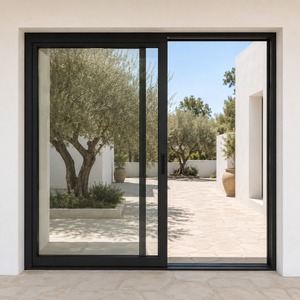
Sourced directly from our state-of-the-art 180,000 m² Foshan manufacturing base. Each system provides high tensile resistance, corrosion immunity, and full European standard conformity.
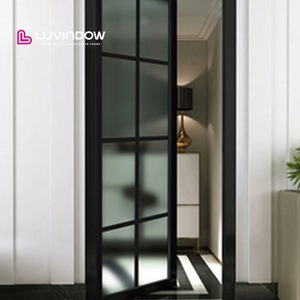
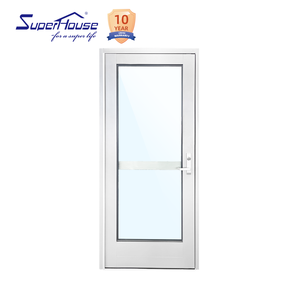
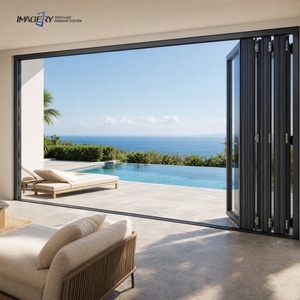
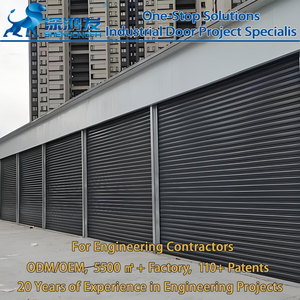
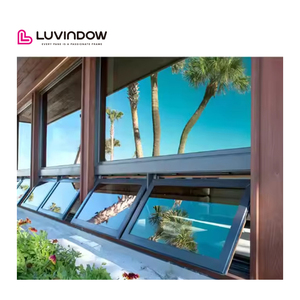
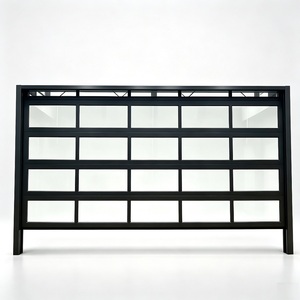
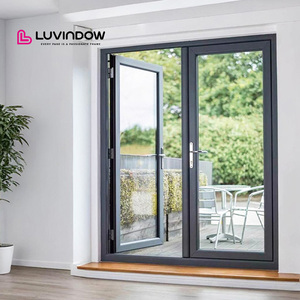
Modern architectural openings in high-exposure environments demand more than basic fly screens. The convergence of security demands, climatic durability, insect barrier requirements, and energy-conserving natural ventilation has elevated the technical specification of the CE certified aluminum net door into an advanced industrial assembly. In international commercial construction, resort developments, and high-end residential communities, procurement engineers evaluate aluminum screen and net door assemblies using stringent mechanical criteria, alloy metallurgies, and micro-precision assembly tolerances.
The core structural integrity of an aluminum net door depends on primary billet chemistry and temper designation. Guangdong Dejiyoupin Doors and Windows Co., Ltd. strictly specifies primary architectural-grade aluminum alloy 6063, heat-treated to T5 or T6 conditions. Unlike recycled scrap extrusion profiles that exhibit structural voids, chemical impurities, and compromised tensile thresholds, our profiles maintain:
The screen or "net" element in CE-certified architectural doors serves multiple functions: ventilation, view clarity, and anti-cut/anti-impact security. Procurement specifications mandate rigid distinctions between standard coated fiberglass mesh and structural woven wire:
| Performance Characteristic | Architectural 304 Stainless Net | Marine-Grade 316 Stainless Net | High-Density Micro-Filament Mesh |
|---|---|---|---|
| Nominal Wire Diameter | 0.80 mm – 0.90 mm | 0.80 mm – 1.00 mm | 0.20 mm – 0.35 mm |
| Weave Pattern | Plain Weave (Zero Deviation) | Plain Weave (High-Tensile Interlock) | High-Density Rectilinear Aperture |
| Salt Spray Resistance (ASTM B117) | 1,000 Hours Non-Pitted | 3,000+ Hours (C5-M Marine Environment) | 750 Hours |
| Mechanical Knife Shear Protection | AS5039 / EN 1627 Class 3 Compliant | Exceeds AS5041 Forced Impact | Insect Exclusion Only |
| Aperture Open Area % | 42% – 48% (Optimal Airflow) | 40% – 45% (High Visibility) | 62% (Micro-Ventilated) |
Affixing the CE mark to structural and exterior-envelope door assemblies requires strict compliance with harmonized European standards, verified through rigorous testing protocols. For suppliers and factories supplying European Union destinations and international projects following Eurocode criteria, key certifications include:
Combining automated precision machining with patented multi-point perimeter latching mechanisms.
Our patented internal multi-point gear system interlocks across all four perimeter sides, eliminating pry points and passing severe forced-entry resistance benchmarks with ease.
Utilizing high-pressure hydraulic corner crimpers and automated injected dual-component corner adhesives ensures our miters never separate, rust, or twist under heavy dynamic wind pressure.
Our architectural surface lines apply multi-coat PVDF and specialized Qualicoat Class 2 exterior-grade thermoset powder coatings that resist 3,000+ hours of coastal salt spray and harsh solar UV radiation.
Screen channels are engineered directly into the primary extrusion system rather than retrofitted as surface add-ons, eliminating insect paths, wind-whistle noise, and water infiltration.
Validated by CE (EU), NFRC (USA), AS2047 (Australia), CSA (Canada), and Energy Star certifications, ensuring straightforward specification approval on global architectural tenders.
Custom crates feature corner protection, vacuum moisture barriers, and labeling sorted by floor and elevation, facilitating systematic installation at major international deepwater ports worldwide.
The global market for architectural entrance barriers and screening systems is moving away from basic aesthetic options toward high-performance technical fenestration. Procurement managers and facade consultants should align their specifications with several key developments over the next five years:
Architects are standardizing on ultra-narrow frames with interlockers less than 20 mm wide. The challenge is ensuring structural resistance against crosswinds. Future designs rely on structural net infills mechanically clamped into structural profiles, enabling the screen mesh to act as a structural diaphragm that resists torsion without bulky aluminum stiles.
Next-generation CE certified net doors are evolving into smart home access control terminals. Multi-point locking assemblies increasingly integrate hidden motorized actuators, RFID scanners, biometric fingerprint systems, and perimeter alarm sensors directly within the frame hollows, providing discrete physical security that blends seamlessly into the architecture.
With the European Union tightening the Carbon Border Adjustment Mechanism (CBAM) and regional green building certifications (LEED, BREEAM) gaining traction globally, factories must document profile carbon footprints. Procurement shifts prioritize aluminum extrusions refined via clean hydroelectric smelting, achieving embodied carbon footprints under 4.0 kg CO2e per kg of primary aluminum, paired with non-toxic, recyclable coatings.
Global climatic changes are producing higher frequencies of heavy rainstorms, fine particulate dust events, and extreme seasonal temperatures. In response, modern aluminum net systems incorporate multi-layer sealing strategies. Dual-density EPDM gaskets combine with dense pile weatherstripping to create high-efficiency capillary breaks, blocking windblown dust and driving rain while allowing continuous airflow.
Clear, practical answers for commercial contractors, facade estimators, and wholesale distributors sourcing directly from our factory.
Submit your door schedules, project elevation drawings, or wholesale specifications. Our technical engineering group will provide itemized proposals, structural review, and CE conformity documentation within 24 hours.
Contact Us