Engineered Aluminium Mesh & High-Performance Architectural Doors
Precision-fabricated fenestration assemblies meeting stringent CE, AS2047, and NFRC mandates. Integrated stainless steel security screening balances 4,500 N shear resistance with unrestricted laminar airflow and visual clarity.
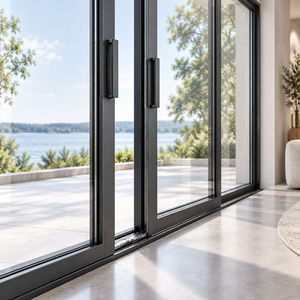
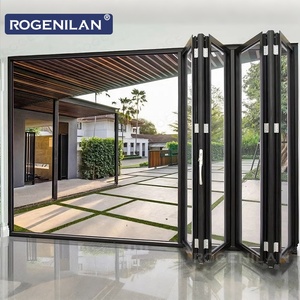
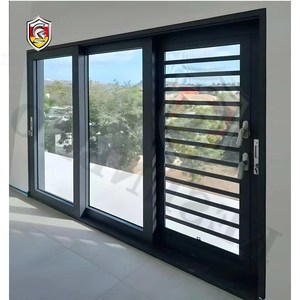
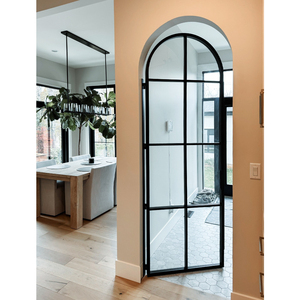
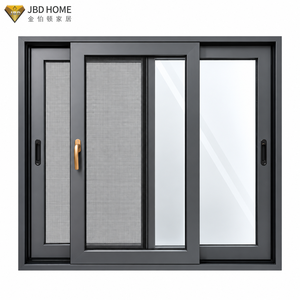
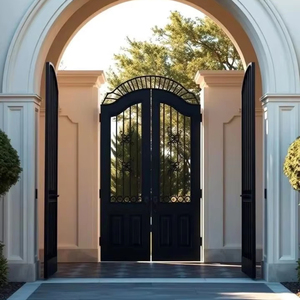
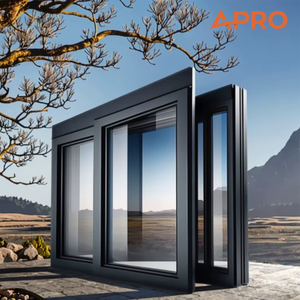
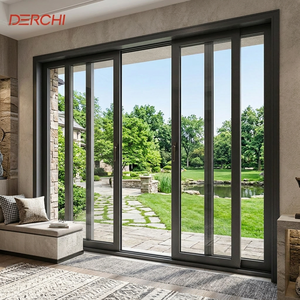
The Anatomy of CE Certified Aluminium Mesh Door Systems
In modern high-spec architecture, an aluminium mesh door represents a critical synergy between high-tensile structural barrier protection and bioclimatic natural ventilation. Unlike traditional insect screens that offer zero forced-entry deterrence or cumbersome wrought-iron security grilles that obstruct egress and sightlines, CE-certified security mesh assemblies employ 0.8mm to 1.0mm high-tensile austenitic stainless steel wire (AISI 304 or marine-grade 316) woven into a precise 11-mesh to 14-mesh plain matrix.
Our engineering matrix integrates this mesh into heavy-gauge 6063-T5 and 6063-T6 architectural aluminium alloy profiles featuring a minimum web thickness of 2.0mm to 3.0mm. To eliminate the persistent failure point of traditional riveted retention, our manufacturing incorporates a patented mechanical interlock clamping wedge and bonding system. This mechanism distributes concentrated dynamic impact loads (exceeding 100 Joules under EN 1627-1630 RC2/RC3 testing protocols and Australian AS5039 knife-shear standards) uniformly throughout the perimeter extrusion profile rather than tearing at individual fastener points.
Furthermore, electrolytic isolation barrier gaskets are co-extruded along the perimeter frame pocket to isolate stainless steel mesh from raw aluminium alloy, effectively mitigating galvanic corrosion across maritime coastal atmospheres and high-humidity equatorial climates.
Future B2B Procurement Trends in Aluminium Security Fenestration (2025–2030)
As international building codes enforce strict energy decarbonization alongside rigorous anti-intrusion benchmarks, global EPC contractors, architectural firms, and regional distributors are reshaping their procurement frameworks.
Total Fenestration Consolidation
Commercial developers are moving decisively away from fragmented sourcing. Rather than purchasing sliding patio glass doors from one supplier and aftermarket security screens from local retrofilters, procurement heads demand integrated multi-track systems (glass + woven mesh + thermal break) direct from an OEM manufacturer. This reduces site alignment errors by 98% and cuts customs logistics overhead.
Verified Decarbonization & EPDs
European and Commonwealth markets now mandate transparent Life Cycle Assessments (LCA). Aluminium mesh door profiles sourced with low-carbon hydroelectric primary aluminium, paired with polyamide PA66 GF25 thermal breaks that lower overall building U-values below 1.4 W/m²K, capture significant preference in municipal and commercial green-building tenders.
BIM Integration & Digital QC
Tier-1 general contractors require suppliers to supply Level of Detail (LOD) 350+ BIM families with embedded thermal, acoustic, and wind-load metadata. Digital traceability—where each pre-hung door sash incorporates a laser-etched QR code tying back to mill test certificates and CE Declaration of Performance (DoP)—has become a prerequisite for major infrastructure approvals.
Emerging Product Evolution in Security Mesh Architecture
The technological trajectory of aluminium security mesh systems has evolved far beyond manual hinged screen doors. We are pioneering systemic engineering advances designed for harsh climates, smart automation, and barrier-free luxury living:
1. Zero-Threshold Flush Drainage Tracks: Traditional external sliding mesh doors suffered from elevated bottom track profiles (often 45mm to 60mm tall), creating tripping hazards and accumulating dust. Our advanced sub-sill drainage extrusion uses concealed water weep slots with integrated check valves and stainless steel flat track guides under 5mm high, ensuring complete compliance with barrier-free accessibility guidelines without compromising cyclic water penetration resistance up to 700 Pa.
2. Patented Four-Side Six-Point Locking Mechanisms: Standard mortise locks engage only on the jamb edge, leaving top and bottom corners vulnerable to hydraulic crowbar jemmy attacks. Our national patent-protected locking transmission distributes internal steel throw-bolts simultaneously into the top header, threshold sill, and dual lateral points on the strike stile upon single-lever handle rotation.
3. Qualicoat Class 2 Fluorocarbon (PVDF) Electrostatic Coating: To combat intensive UV radiation, desert dust abrasions, and marine saline environments, all aluminium structural extrusions and stainless meshes undergo multi-stage pretreatments and robotic electrodeposition. This produces a protective layer exceeding 80 microns that guarantees 20+ years of gloss retention and salt spray corrosion resistance exceeding 3,000 hours under ASTM B117 testing.
Technical Performance Benchmark: DERCHI vs. Industry Standard
Independent laboratory testing parameters verified under CE (EN 14351-1 / EN 1627), Australian Standards AS5039 / AS2047, and ISO 9001 quality management benchmarks.
| Performance Parameter | DERCHI CE Certified Systems | Conventional Market Grade | Compliance Standard |
|---|---|---|---|
| Screen Mesh Metallurgy | High-Tensile 304/316 Marine Stainless Steel (0.8–1.0mm) | Low-Carbon 201 Steel / Coated Fiberglass | ASTM A240 / AS5039 |
| Knife-Shear Penetration Resistance | Zero penetration after continuous 3x blade mechanical strokes | Immediate tear / structural mesh rupture | AS 5041 / EN 1630 |
| Dynamic Impact Energy | 5 consecutive sandbag impacts (>100J dynamic impact) | Frame deformation >50mm; screen pop-out | EN 1627 RC2 / RC3 |
| Aluminium Alloy Profile | Primary 6063-T5 / 6063-T6 Virgin Billet (2.0–3.0mm wall) | Recycled secondary aluminium (<1.4mm wall) | EN 755-9 / GB 5237 |
| Anti-Burglary Multi-Point Lock | Patented 4-Side 6-Point Concealed Transmission System | Single-point or standard 2-point hook lock | National Patent CN2020 |
| Salt Spray Corrosion Resistance | Exceeds 3,000 Hours (PVDF / AkzoNobel Interpon D2000) | Corrosion spotting observed <500 Hours | ASTM B117 / AAMA 2605 |
Guangdong Dejiyoupin: 25+ Years of Zero-Error Engineering
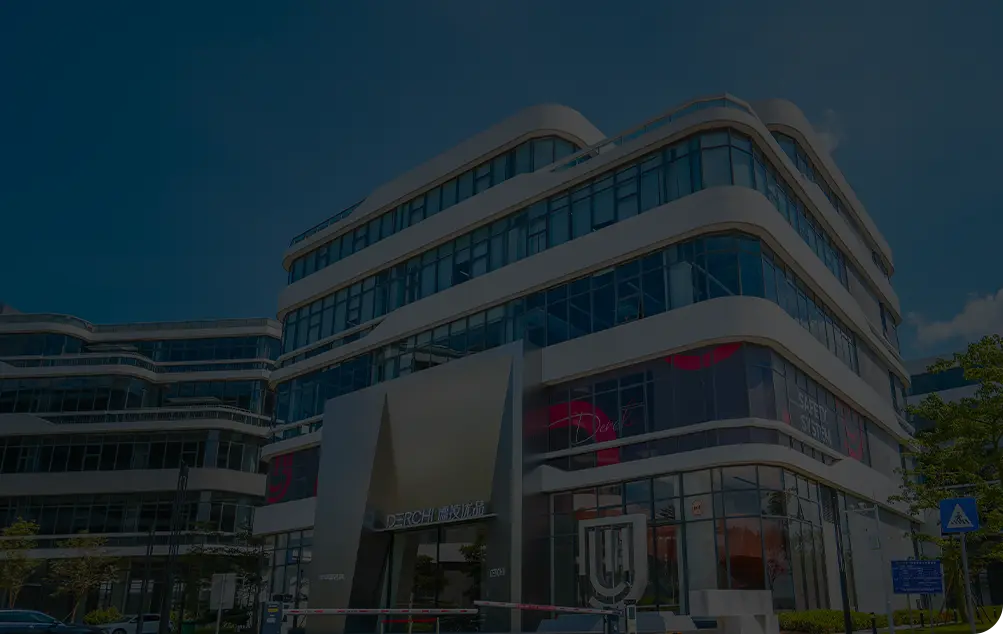
Recognized by Xinhua News Agency as a "China Famous Brand", our 180,000 m² automated production base in Nanhai, Foshan provides tier-1 real capacity and export support trusted by developers worldwide.
180,000 m² Base
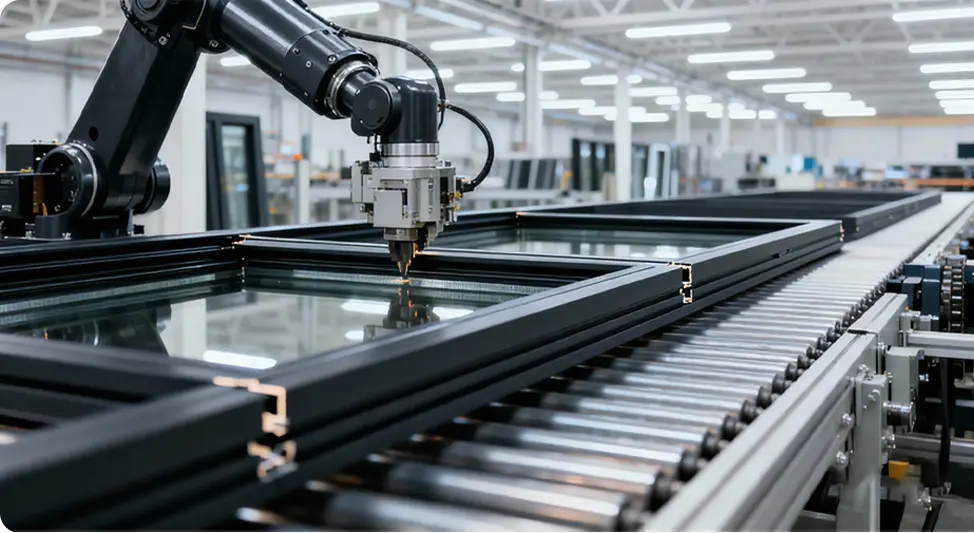
State-of-the-art facility equipped with German CNC machining centers, automated profile cutting saws, and precision robotic corner crimping lines delivering zero-error tolerance.
Xinhua Certified
Honored as a "China Famous Brand" by Xinhua News Agency, backed by 30+ dedicated R&D structural engineers and over 600 skilled technicians.
100+ Patents
Holding proprietary inventions including the Four-Side Six-Point Anti-Theft Lock, anti-pinch bi-fold hinge structures, and pressure-equalized track profiles.
Global Grand Slam
Fully certified to CE (EU), NFRC & Florida Hurricane (USA), AS2047 (Australia), CSA (Canada), Energy Star, and ISO 9001 international standards.
Frequently Asked Questions: Aluminium Mesh Door Procurement
Direct technical answers for commercial contractors, procurement managers, and window & door distributors evaluating direct-from-factory import containers.
What specific technical criteria define a CE certified aluminium mesh door under EN 14351-1?
How does 316 marine-grade stainless steel mesh differ from 304 mesh in coastal projects?
Can integrated aluminium mesh doors be configured with thermal break profiles and Low-E double glazing?
How are full-container shipments packaged to prevent glass and mesh damage during transoceanic shipping?
What is the standard production lead time and minimum order quantity (MOQ) for custom project schedules?
How does DERCHI assist international developers with site measurement and local installation compliance?
Engineer Your Next Project with Factory-Direct Precision
Send our senior engineering team your architectural elevation schedules, structural opening specifications, or local tender requirements. We deliver comprehensive CAD shop drawings, thermal calculations, and direct factory pricing within 24 business hours.