Choosing the best Aluminum Door starts with the opening, the climate, and the way people use the space. A sliding door can save room beside a patio, while a hinged model may suit a narrow entry. Bi-fold and pivot designs make wider openings feel open, but they need careful planning for clearance, hardware, and daily use.
Architect Ludwig Mies van der Rohe’s famous design maxim, “Less is more,” offers a useful lens for comparing these options. It is a design principle, not a guarantee of performance. A slim frame can look elegant, yet frame depth, glass specification, seals, and installation details affect comfort and durability. In coastal areas, ask about the finish and its maintenance; near busy streets, consider sound control. Small details matter.
This guide compares common Aluminum Door types by operation, appearance, energy performance, and practical constraints. It also considers where each style tends to work best, from compact balconies to broad commercial entrances. There is no universal winner. A dramatic folding system may be awkward in a tight room, and a simple hinged door may not create the open feel a homeowner wants. That trade-off is easy to overlook. Use the comparisons as a starting point, then check product specifications and consult a qualified installer about the opening, exposure, and local conditions. A good choice should feel right on the first day—and still operate smoothly after years of use.
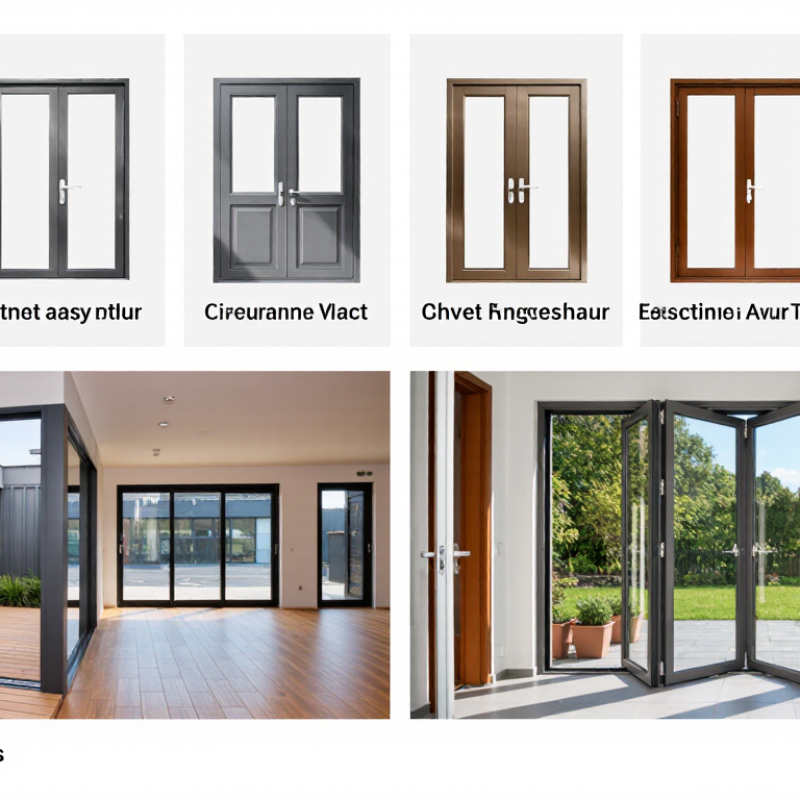
How Are Aluminum Doors Classified by Their Opening Mechanisms?
Aluminum doors are often classified by the way their panels open. Sliding doors travel along a track, making them useful where a swinging panel might block furniture or a narrow walkway. Their panels overlap, though, so the opening is never fully clear. Hinged doors swing inward or outward from side-mounted hinges. They offer a familiar, wide passage but need clear floor space. Folding doors use linked panels that stack to one side. They can open a broad wall section, yet the folded stack takes room. Pivot doors rotate on pivots mounted near the top and bottom of the panel. They suit larger doors, but alignment and hardware capacity matter.
Tilt-and-turn doors combine a top-tilt ventilation position with a side-hinged opening. This can be practical in compact rooms, although the mechanism has more parts to maintain. For patios, sliding or folding designs may feel spacious; for frequent entry, a hinged door is often simpler. The right choice depends on opening width, daily traffic, weather exposure, and threshold design. Test the handle. Notice how smoothly the panel moves. A poor track can collect grit and make a large door feel heavy. Small details matter.
Tips: Measure the clear opening, not only the frame. Check drainage, seals, and whether the track interrupts easy access. Ask about panel weight and adjustment access; these are easy to overlook.
| Door Type | Opening Mechanism | Space Required | Common Applications | Main Advantages | Things to Consider | Best Suited For |
|---|---|---|---|---|---|---|
| Hinged (Swing) Door | One or more panels rotate on side-mounted hinges, inward or outward. | Clear floor space is needed for the door swing. | Building entrances, patios, balconies, and interior doorways. | Simple operation; provides a wide, unobstructed opening when open. | Furniture, walkways, and nearby walls must not block the swing path. | Entrances where a familiar, straightforward opening action is preferred. |
| Sliding Door | One or more panels glide horizontally along tracks; some configurations include a fixed panel. | Little clearance is needed in front of or behind the doorway, but wall or frame space is needed for the panels. | Patios, balconies, terraces, and room dividers. | Saves swing space and can create broad glazed openings. | Only the sliding panels open; tracks need to be kept clean for smooth operation. | Rooms with limited floor space or wide views to an outdoor area. |
| Bi-Fold (Folding) Door | Multiple linked panels fold and stack to one or both sides as the door opens. | Requires some stacking space beside the opening and clear space around the threshold. | Wide patio openings, garden rooms, and spaces connecting indoors and outdoors. | Can open a large portion of the overall doorway. | Has more moving parts and tracks than a basic hinged door; panel stack location should be planned. | Wide openings where a mostly open connection is desired. |
| Pivot Door | The panel turns on pivot hardware positioned at the top and bottom, often offset from the side edge. | Needs room for the panel to rotate on both sides of the pivot line. | Large residential entrances and architectural feature openings. | Supports distinctive designs and can accommodate large door panels when properly engineered. | Hardware, panel weight, clearances, and installation require careful planning. | Feature entrances where a dramatic, contemporary appearance is a priority. |
| Tilt-and-Turn Door | A handle-operated mechanism allows the panel to tilt inward at the top for ventilation or swing inward from the side. | Needs inward swing clearance in the full-opening position; less space is needed in tilt mode. | Residential balconies, windows, and openings where ventilation and access are both needed. | Offers two opening modes in one panel. | Operation depends on the correct handle position; the inward swing must be kept clear. | Rooms that need controlled ventilation as well as a full opening option. |
| Top-Hung Awning Door | The panel is hinged along its top edge and swings outward from the bottom. | Requires outward clearance; the projecting panel may affect exterior circulation. | Specialized ventilation openings and sheltered service areas. | Can provide ventilation while helping shield the opening from light rain, depending on the design and conditions. | Not generally intended as the main access door; wind exposure and hardware suitability matter. | Ventilation openings where an outward-opening panel is appropriate. |
FAQS
Common types include sliding, hinged, folding, pivot, and tilt-and-turn doors. Each needs a different amount of space.
Sliding doors move along a track, so they do not swing into a room. They can suit patios and narrow interiors. Tracks need care.
Check the track depth, drainage, seals, and threshold. Grit can collect in the track and make a large panel feel heavy.
Hinged doors are familiar and often simple to operate. They need clear floor space, so measure the full swing.
Linked panels stack to one side, opening a broad section. The stack still takes room, and the usable passage may be smaller than expected.
Pivot doors rotate on fittings near the top and bottom, rather than side hinges. They need careful alignment and clearance on both sides.
It can tilt inward at the top for ventilation or open from the side. The mechanism has more parts to maintain.
Consider opening width, daily traffic, weather exposure, and threshold design. Test the handle and panel movement. I might still underestimate the space a folded panel needs.
Conclusion
Choosing the best Aluminum Door starts with understanding how its opening mechanism affects space, access, and appearance. Sliding doors move along a track and suit wide openings where saving floor space matters. Hinged doors swing open and offer a familiar, versatile option for entrances and interior rooms. Folding doors stack panels to create a broad passage, making them useful for connecting living areas with patios. Pivot doors rotate on a central or offset point, creating a distinctive look for spacious entryways.
The right type depends on where the door will be installed and how people will use it. Compare available space, opening width, ease of operation, weather resistance, insulation, security features, maintenance needs, and overall design. A well-matched door balances everyday practicality with the desired style and can make a room feel brighter, more accessible, and better connected to its surroundings.