Choosing an Aluminum Window system can shape a project’s daylight, comfort, and long-term maintenance. Slim frames can create broad views across a garden or city street. They also allow more glass within a given opening. Architect Ludwig Mies van der Rohe’s familiar phrase, “Less is more,” offers a useful design lens here—not a technical guarantee. The frame should support the view, but performance still depends on the complete window assembly.
Aluminum is valued for its strength, dimensional stability, and range of finishes. Those qualities can suit large openings and contemporary façades. Yet material choice alone does not prevent heat loss or condensation. Look for well-designed thermal breaks, suitable glazing, reliable weather seals, and installation details matched to the local climate. Ask for product test data, warranty terms, and maintenance guidance. Compare those details with the project’s budget and exposure to wind, rain, and salt air. The finish matters, too; a sample beside the actual exterior can look different from a screen image.
There is a trade-off. Some aluminum frames may cost more than basic alternatives, and poor detailing can undermine an otherwise strong product. That deserves a second look. A good specification weighs appearance against thermal performance, durability, and repair needs. With those factors checked, an Aluminum Window can be a practical, refined choice—not simply a fashionable one.
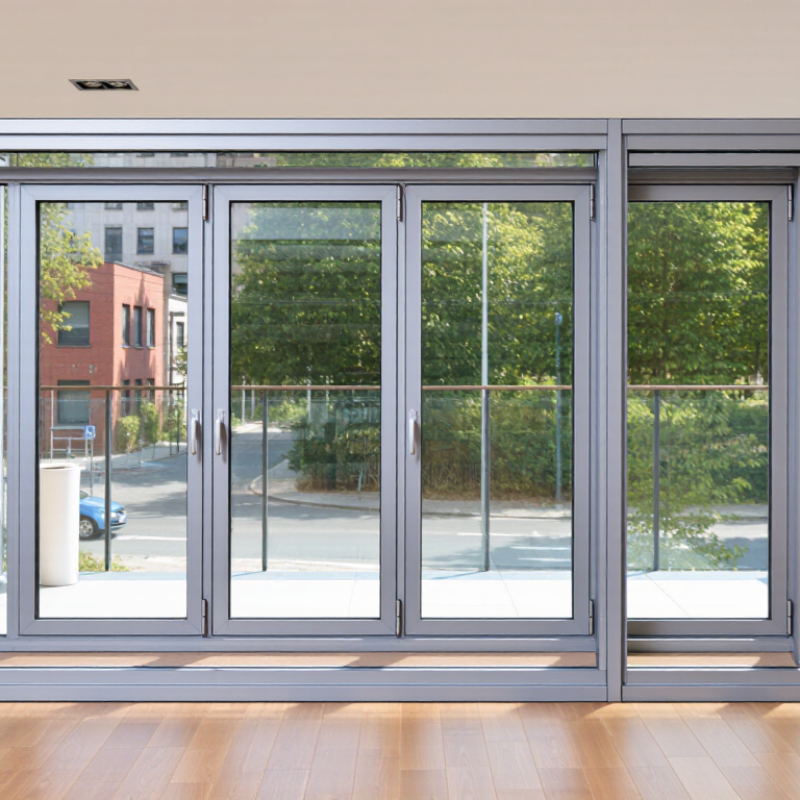
Understanding Aluminum Windows and Their Main Components
An aluminum window is more than a metal frame around a pane of glass. Its main components work together to support the glass, manage movement, and limit air and water entry. The frame forms the fixed perimeter, while the sash holds glass in an opening section. In a sliding window, rollers help the sash move along its track. In a hinged design, hinges carry its weight and guide its swing. Small parts matter.
The glass unit may include two or three panes, with a sealed space between them to reduce heat transfer. Many aluminum frames use thermal breaks: insulating material that separates the inner and outer metal sections. This helps reduce heat flow, though performance depends on the full window design and installation. Gaskets and weatherstripping compress against the sash to help block drafts and rain. Drainage channels also direct trapped water toward exterior weep openings; blocked openings can cause problems. Check the corners and moving parts, not just the frame finish. A detail that is easy to miss. No component works alone, and even a well-made window can underperform if it is poorly sized or installed. For a project, compare tested performance data with the local climate and the opening’s exposure. I would not judge a window by frame material alone.
Why Choose Aluminum Windows for Your Project? - Understanding Aluminum Windows and Their Main Components
| Component or Feature | Typical Construction | Function | Project Benefit | Selection Check |
|---|---|---|---|---|
| Aluminum frame and sash | Extruded aluminum sections form the outer frame and movable sash. | Support the glazing and hardware while maintaining the window’s shape. | Aluminum’s strength-to-weight characteristics can allow relatively slim frame profiles and broad glazed areas. | Check profile depth, finish, drainage design, and suitability for the window size and site exposure. |
| Thermal break | A low-conductivity insulating section separates the interior and exterior parts of some aluminum profiles. | Reduces heat transfer through the frame compared with a similar frame without a thermal break. | Can improve whole-window thermal performance and help limit interior frame condensation in appropriate conditions. | Ask for whole-window performance data; frame performance alone does not describe the complete window. |
| Glazing unit | One or more panes of glass, often assembled as an insulated glazing unit with a sealed cavity. | Provides daylight and views while contributing to thermal, solar, and acoustic performance. | Glass options can be selected to suit climate, orientation, privacy, and energy goals. | Compare U-factor, solar heat gain coefficient, visible transmittance, and safety-glazing requirements where applicable. |
| Glazing beads and setting blocks | Beads retain the glass; setting blocks support it at designated points within the sash. | Help hold the glazing securely and transfer its weight to the frame. | Correctly designed glazing details support stable operation and help protect the edge of the glass. | Confirm that glass thickness and weight are compatible with the window system. |
| Weather seals and gaskets | Flexible seals, commonly made from durable elastomeric materials, are positioned around joints and opening edges. | Help limit air and water passage when the window is closed. | Well-designed seals contribute to comfort and weather resistance. | Check tested air-leakage and water-penetration performance, plus seal accessibility for maintenance. |
| Hardware and locking points | Handles, hinges, rollers, stays, and locks are matched to the window’s opening style. | Allow the sash to open, close, and secure as intended. | Hardware selection affects ease of use, security, and long-term operation. | Verify operating style, sash weight limits, hardware corrosion resistance, and required security features. |
| Surface finish | Aluminum surfaces may use finishes such as powder coating or anodizing, depending on the system. | Provides the chosen appearance and helps protect the surface from environmental exposure. | A range of colors and finishes can suit different architectural designs. | Specify finish requirements for the project’s climate and exposure, and follow the supplier’s cleaning guidance. |
| Installation and perimeter sealing | The window is fixed into the opening, with appropriate shimming, fastening, flashing, and perimeter sealing. | Connects the window to the building envelope and manages movement and water at the opening. | Proper installation helps the complete assembly achieve its intended performance. | Coordinate installation details with the wall system and follow applicable building codes and manufacturer instructions. |
Note: Performance depends on the complete window design, glazing selection, manufacturing, installation, and local conditions. Compare certified whole-window ratings where available.
FAQS
The frame forms the fixed perimeter, and the sash holds the glass. Rollers guide sliding sashes; hinges support hinged ones. Small parts matter.
It separates inner and outer metal sections with insulating material. This can reduce heat transfer, but it cannot replace suitable glazing or careful installation.
Compare whole-window performance data, not glass alone. Consider the local climate, glazing, frame, and installation. One number may not tell the whole story.
Coated finishes can resist fading in strong sun, though dark frames may feel hot near west-facing glass. In cold weather, thermal breaks can help limit cold interior surfaces.
Look for secure anchoring, intact seals, and clear drainage channels. Water should exit through exterior openings. Blocked openings can cause problems.
Sliding panels save space, while casement windows can open wide for ventilation. Try the locks and handles in person. Stiff hardware gets irritating.
Ask whether the finish suits salty air and frequent rain. Rinsing exposed frames periodically may help. Check the corners, too.
Confirm who measures the opening, prepares the sill, and seals the perimeter. Ask for written glazing, finish, hardware, and warranty details. Then check that the sash moves smoothly. A small sizing error can complicate the job.
Conclusion
Choosing an Aluminum Window system starts with understanding how its frame, glazing, seals, hardware, and thermal-break components work together. Aluminum frames are strong and dimensionally stable, allowing slim sightlines and broad areas of glass. Their performance depends on thoughtful design: suitable glazing and effective weather seals help manage heat transfer, drafts, rain, wind, and noise in different climates and building conditions.
For building projects, aluminum windows offer durability, design flexibility, and relatively low routine maintenance. However, initial costs may be higher than those of some alternatives, and uninsulated frames can contribute to heat loss or gain. Selection should account for the project’s climate, energy goals, opening style, safety needs, budget, and maintenance expectations. Comparing frame construction, glazing options, installation requirements, and long-term performance helps ensure the chosen windows meet both practical needs and the intended architectural look.